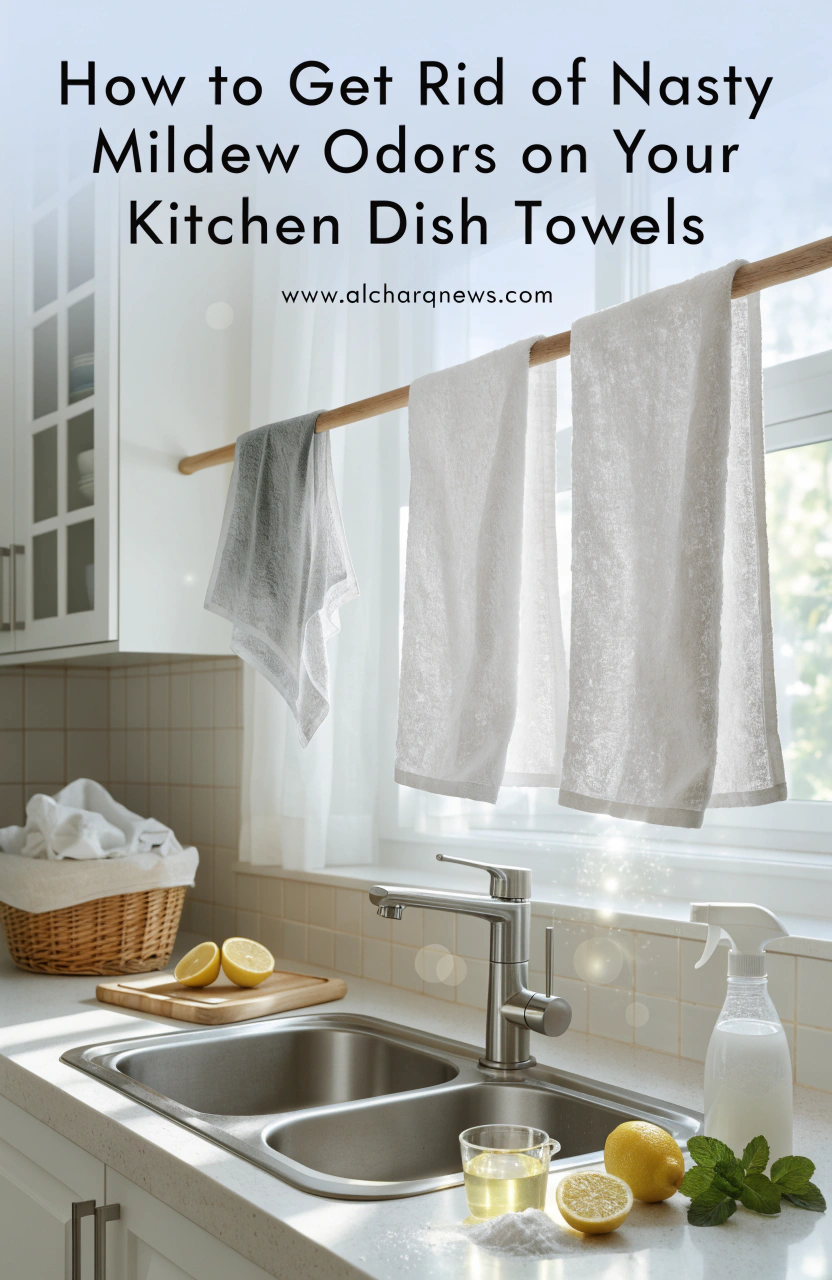
How to Get Rid of Nasty Mildew Odors on Your Kitchen Dish Towels: Simple Solutions That Actually Work
There’s nothing quite as frustrating as reaching for a clean kitchen dish towel only to be greeted by a musty, sour smell. You wash it, dry it, fold it neatly, and yet somehow that unpleasant mildew odor keeps coming back. If this sounds familiar, you’re not alone.
Kitchen dish towels are among the hardest-working items in your home. They wipe counters, dry dishes, clean spills, and absorb moisture throughout the day. Because they spend so much time damp, they create the perfect environment for mildew, bacteria, and odor-causing microbes to thrive.
The good news is that you don’t need to throw away your favorite towels or spend money on expensive cleaning products. With a few simple techniques and household ingredients, you can eliminate stubborn mildew odors and keep your kitchen towels smelling fresh for longer.
What Causes Mildew Odors on Kitchen Dish Towels?
Before tackling the smell, it’s important to understand why it develops.
Mildew odors occur when moisture remains trapped inside fabric fibers for extended periods. Combined with food residue, grease, and poor air circulation, this moisture creates ideal conditions for bacteria and mildew growth.
Common causes include:
- Leaving wet towels crumpled on countertops
- Hanging towels in humid kitchens
- Using the same towel for several days
- Overloading the washing machine
- Using too much detergent
- Failing to dry towels completely
Once mildew begins to grow, a regular wash cycle often isn’t enough to remove the odor entirely.
Best Ingredients for Removing Mildew Odors
You probably already have everything you need in your pantry or laundry room.
Natural Odor-Fighting Ingredients
| Ingredient | Purpose | Best Use |
|---|---|---|
| White Vinegar | Neutralizes odors | Laundry rinse |
| Baking Soda | Absorbs smells | Deep cleaning |
| Hydrogen Peroxide | Helps sanitize fabric | Stubborn odors |
| Lemon Juice | Freshens naturally | Odor treatment |
| Hot Water | Removes bacteria | Wash cycles |
| Oxygen Bleach | Brightens and deodorizes | White towels |
Ingredients to Avoid
| Product | Why Avoid It |
|---|---|
| Excess Fabric Softener | Traps odors in fibers |
| Too Much Detergent | Leaves residue behind |
| Chlorine Bleach on Colored Towels | Can cause fading |
Using the right ingredients can make a dramatic difference in both cleanliness and freshness.
Method 1: Wash Towels with White Vinegar
One of the most effective ways to remove mildew odors is with plain white vinegar.
Step-by-Step Instructions
- Place your dish towels in the washing machine.
- Add 1 cup of white vinegar directly to the drum.
- Select a hot water cycle.
- Run a complete wash cycle without fabric softener.
Vinegar works by breaking down detergent buildup and neutralizing odor-causing bacteria that may be trapped in the fabric.
Don’t worry about your towels smelling like vinegar afterward. The scent disappears completely during the drying process.
Method 2: Use Baking Soda for Deep Odor Removal
If odors remain after washing, baking soda can provide an extra cleaning boost.
Baking Soda Laundry Treatment
| Ingredient | Amount |
|---|---|
| Baking Soda | ½ cup |
| Laundry Detergent | Regular amount |
Add baking soda directly to the wash cycle along with your normal detergent.
Benefits include:
- Neutralizing stubborn odors
- Softening fabric naturally
- Removing residue buildup
- Restoring freshness
Baking soda is especially helpful for older towels that have developed lingering smells over time.
Method 3: Try the Double-Wash Technique
For heavily used dish towels, a double wash often delivers the best results.
How It Works
First Cycle
- Hot water
- 1 cup white vinegar
Second Cycle
- Hot water
- Regular detergent
- ½ cup baking soda
This two-step process attacks odor-causing buildup from multiple angles and is often successful even when traditional washing fails.
Method 4: Soak Towels Before Washing
Sometimes mildew odors are deeply embedded in the fibers and require a longer treatment.
Deep-Clean Soaking Solution
| Ingredient | Amount |
|---|---|
| Hot Water | 1 gallon |
| White Vinegar | 1 cup |
| Baking Soda | ½ cup |
Fill a bucket or sink with the solution and soak your towels for at least one to two hours.
For severe odors, an overnight soak can produce even better results.
After soaking, wash the towels using your normal laundry routine.
Method 5: Dry Towels Properly
Many people focus on washing but overlook the importance of proper drying.
Even perfectly cleaned towels can develop mildew odors if they remain damp.
Best Drying Practices
- Dry towels immediately after washing.
- Use the highest safe dryer setting.
- Hang towels completely flat when air drying.
- Avoid folding damp towels.
- Never leave wet towels sitting inside the washing machine.
Sunlight can also be a powerful ally. Natural UV rays help kill odor-causing microorganisms while leaving towels smelling fresh.
How to Prevent Mildew Odors from Returning
Getting rid of mildew odors is only half the battle. Preventing them from returning is equally important.
Change Dish Towels Frequently
Many households use the same towel for several days.
Instead, aim to replace kitchen towels:
- Every 1–2 days for average use
- Daily during heavy cooking periods
- Immediately if the towel becomes heavily soiled
Fresh towels reduce bacterial growth and improve kitchen hygiene.
Hang Towels Correctly
A damp towel bunched on the counter can begin developing odors surprisingly quickly.
For best results:
- Hang towels fully extended
- Use hooks instead of piling towels together
- Allow plenty of airflow around the fabric
Proper drying prevents moisture from becoming trapped.
Separate Kitchen Towels from Other Laundry
Kitchen towels often contain grease, food particles, and bacteria that aren’t present in other household laundry.
Washing them separately helps ensure a more thorough cleaning and prevents cross-contamination.
Common Laundry Mistakes That Cause Musty Dish Towels
Even well-intentioned cleaning habits can contribute to mildew odors.
Using Too Much Detergent
Excess detergent doesn’t necessarily make towels cleaner. Instead, it can leave residue that traps odors.
Overloading the Washer
Crowded loads prevent towels from moving freely and being cleaned effectively.
Skipping Hot Water Cycles
Warm water works for everyday clothing, but kitchen towels often benefit from hotter wash temperatures.
Leaving Laundry in the Washer
Even a few hours of sitting in a damp machine can encourage mildew growth.
How to Freshen Kitchen Towels Naturally
If you prefer natural cleaning solutions, several options can help maintain freshness between washes.
Lemon Juice Treatment
Lemon juice naturally helps neutralize odors and brighten fabrics.
Sun-Drying
Outdoor drying provides:
- Natural deodorizing
- Fresh scent
- Reduced microbial growth
Essential Oils
A few drops added to a rinse cycle can provide a pleasant scent.
Popular choices include:
| Essential Oil | Benefit |
|---|---|
| Lemon | Crisp freshness |
| Tea Tree | Naturally cleansing |
| Lavender | Long-lasting scent |
| Eucalyptus | Clean aroma |
Frequently Asked Questions
Why do my kitchen dish towels smell musty even after washing?
Odors often remain because of trapped detergent residue, bacteria, mildew, or incomplete drying.
What is the best method for How to Get Rid of Nasty Mildew Odors on Your Kitchen Dish Towels?
A vinegar wash followed by a baking soda wash is one of the most reliable methods for eliminating stubborn odors.
Can baking soda really remove mildew smells?
Yes. Baking soda helps neutralize odor-causing compounds and absorbs unpleasant smells trapped in fabric fibers.
Should I use bleach?
For white towels, oxygen bleach can be effective. However, vinegar and baking soda are often sufficient for routine odor removal.
How often should kitchen towels be washed?
Most kitchen towels should be washed every one to two days, depending on how frequently they are used.
Conclusion
Learning How to Get Rid of Nasty Mildew Odors on Your Kitchen Dish Towels doesn’t require expensive products or complicated laundry routines. By using simple household ingredients like white vinegar, baking soda, lemon juice, and hot water, you can remove stubborn odors, eliminate hidden bacteria, and restore freshness to your towels.
Even better, adopting a few preventative habits—such as changing towels frequently, drying them properly, and avoiding detergent buildup—can stop mildew odors before they start.
The next time a kitchen towel develops that unmistakable musty smell, you’ll know exactly what to do.
Have you tried any of these mildew-fighting methods? Share your favorite towel-cleaning tip in the comments and help others keep their kitchens fresher and cleaner every day!