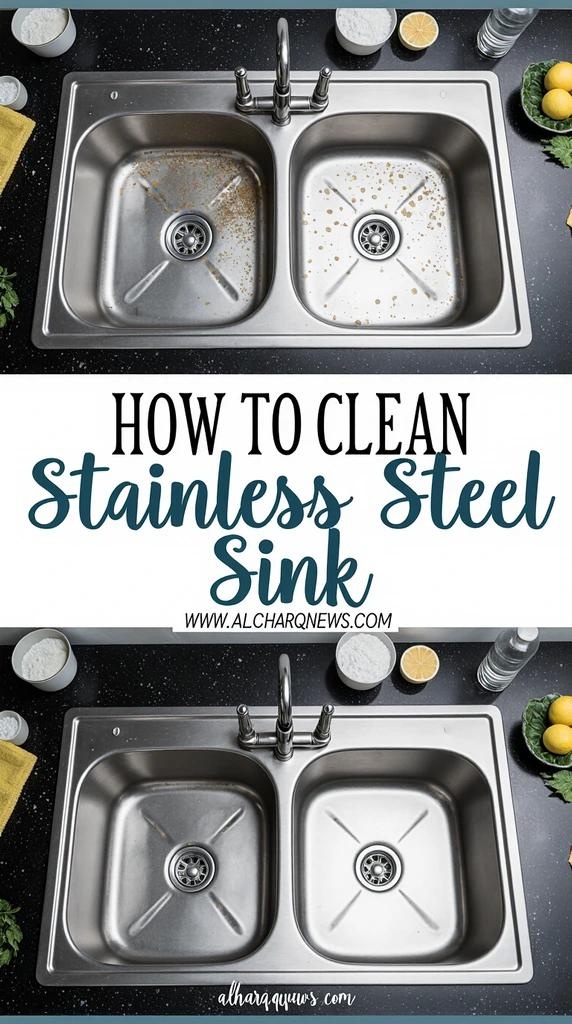
How to Clean and Maintain a Stainless Steel Sink
Your stainless steel sink works harder than almost anything else in your kitchen. It handles dirty dishes, food prep, greasy pans, coffee spills, soap residue, and constant splashes of water every single day. Over time, even a high-quality sink can lose its bright shine and start looking dull, scratched, or stained.
Maybe you have noticed cloudy spots that refuse to disappear no matter how often you wipe the sink down. Or perhaps tiny scratches and water stains are making your kitchen feel less clean than it actually is. The good news is that stainless steel is one of the easiest sink materials to restore and maintain when you use the right techniques.
You do not need harsh chemicals or expensive specialty products to keep your sink looking polished. With a few simple habits and common household ingredients, you can clean and maintain a stainless steel sink effectively while protecting its finish for years to come.
This guide will show you the best daily cleaning methods, deep-cleaning tricks, and maintenance habits that help your stainless steel sink stay spotless, shiny, and beautiful.
Why Stainless Steel Sinks Need Regular Maintenance
Stainless steel sinks are durable, but they are not maintenance-free.
Everyday exposure to:
- Water
- Grease
- Soap residue
- Food particles
- Hard water minerals
can slowly dull the surface and create buildup.
Without regular cleaning, you may start noticing:
- Water spots
- Cloudy residue
- Rust stains
- Grease film
- Small scratches
Fortunately, most of these problems are easy to prevent.
Benefits of Proper Stainless Steel Sink Care
Taking care of your sink regularly offers several advantages.
Why Maintenance Matters
- Keeps the sink shiny
- Prevents stains and rust
- Extends the lifespan of the sink
- Makes kitchen cleaning easier
- Reduces bacteria and odors
A clean sink also makes the entire kitchen look brighter and more organized.
Essential Supplies to Clean and Maintain a Stainless Steel Sink
You probably already own most of the supplies needed for effective sink cleaning.
Stainless Steel Sink Cleaning Supplies
| Ingredient/Tool | Purpose | Benefits |
|---|---|---|
| Baking Soda | Gentle scrubbing | Non-abrasive cleaning |
| White Vinegar | Removes water spots | Natural disinfectant |
| Dish Soap | Cuts grease | Safe daily cleaner |
| Microfiber Cloth | Drying and polishing | Prevents streaks |
| Soft Sponge | Gentle scrubbing | Protects finish |
| Olive Oil | Polishing | Restores shine |
| Spray Bottle | Even cleaner application | Convenient cleaning |
| Toothbrush | Cleans corners | Detailed scrubbing |
Avoid harsh tools like steel wool because they can scratch stainless steel permanently.
How to Clean and Maintain a Stainless Steel Sink Daily
Daily cleaning keeps buildup from becoming difficult to remove later.
Step 1: Rinse the Sink Thoroughly
After washing dishes, rinse away:
- Food particles
- Soap residue
- Grease
This simple step prevents stains from forming.
Step 2: Use Dish Soap and Warm Water
Apply a few drops of mild dish soap to a soft sponge.
Gently clean the sink surface using warm water.
Important Tip
Always scrub in the direction of the stainless steel grain rather than against it.
Cleaning with the grain helps reduce visible scratches and keeps the finish smooth.
Step 3: Rinse Completely
Leftover soap residue can leave a cloudy film on stainless steel.
Rinse the sink thoroughly until all soap disappears.
Step 4: Dry With a Microfiber Cloth
One of the biggest secrets to maintaining a stainless steel sink is drying it after every use.
Water left sitting on the surface causes:
- Water spots
- Mineral buildup
- Dullness
A microfiber cloth helps prevent streaks while restoring shine quickly.
Best Natural Ingredients for Cleaning Stainless Steel Sinks
Natural cleaning ingredients work surprisingly well on stainless steel surfaces.
Natural Stainless Steel Sink Cleaners
| Ingredient | Benefits | Best Use |
|---|---|---|
| Baking Soda | Gentle stain removal | Deep cleaning |
| White Vinegar | Dissolves mineral buildup | Water spots |
| Lemon Juice | Fresh scent | Mild stains |
| Olive Oil | Adds shine | Final polish |
| Dish Soap | Removes grease | Daily cleaning |
These ingredients are affordable, effective, and safer than many harsh chemical cleaners.
How to Remove Water Spots From a Stainless Steel Sink
Hard water minerals are one of the most common reasons stainless steel sinks lose their shine.
Fortunately, vinegar works extremely well for removing cloudy spots.
Simple Water Spot Removal Method
1. Spray White Vinegar Across the Sink
Focus on cloudy areas and water stains.
2. Let It Sit for Several Minutes
The vinegar helps dissolve mineral deposits.
3. Wipe Along the Grain
Use a soft cloth or sponge.
4. Rinse and Dry Thoroughly
Drying prevents new water spots from forming immediately.
Regular drying is the best long-term prevention method.
How to Remove Scratches From a Stainless Steel Sink
Small scratches are normal over time, especially in busy kitchens.
Deep scratches are harder to fix completely, but light scratches often improve with proper care.
Scratch Removal Methods
| Method | Best For | Effectiveness |
|---|---|---|
| Baking Soda Paste | Minor scratches | Mild improvement |
| Stainless Steel Polish | Surface marks | Good results |
| Scratch Repair Kit | Deeper scratches | Stronger correction |
Important Mistakes to Avoid
- Scrubbing against the grain
- Using abrasive cleaners
- Cleaning with steel wool
- Applying harsh chemicals
Gentle cleaning helps preserve the original finish much longer.
How to Deep Clean a Stainless Steel Sink
A weekly deep clean helps restore shine and remove hidden buildup.
Step-by-Step Deep Cleaning Process
Step 1: Empty and Rinse the Sink
Remove crumbs, debris, and food residue.
Step 2: Sprinkle Baking Soda Over the Surface
Cover the entire sink lightly.
Step 3: Scrub Gently Along the Grain
Use a damp sponge or soft cloth.
Baking soda works as a gentle abrasive without damaging stainless steel.
Step 4: Spray Vinegar Over the Sink
The reaction helps loosen grime and mineral deposits.
Step 5: Rinse Thoroughly
Remove all remaining residue.
Step 6: Polish With Olive Oil
Place a small amount on a microfiber cloth and buff gently.
This final step restores shine beautifully.
Common Mistakes That Damage Stainless Steel Sinks
Some everyday habits can slowly damage the appearance of your sink.
Mistakes to Avoid
- Leaving standing water overnight
- Using steel wool
- Ignoring food buildup
- Scrubbing aggressively
- Leaving metal cans inside the sink
- Using bleach too frequently
Even durable stainless steel needs gentle care.
How to Prevent Rust and Stains
Although stainless steel resists rust, it is not completely immune.
Prevention Tips
- Dry the sink after use
- Clean food residue quickly
- Avoid leaving wet sponges in the sink
- Perform weekly deep cleaning
- Remove hard water spots regularly
Simple maintenance habits prevent most staining problems before they begin.
Best Products for Stainless Steel Sink Maintenance
Some products can make maintenance easier and help protect your sink.
Helpful Sink Maintenance Products
| Product Type | Purpose | Best Use |
|---|---|---|
| Stainless Steel Cleaner | Restores shine | Weekly care |
| Microfiber Cloth | Streak-free drying | Daily use |
| Sink Grid | Prevents scratches | Sink protection |
| Stainless Steel Polish | Deep shine | Monthly polishing |
Choose products designed specifically for stainless steel whenever possible.
FAQ About How to Clean and Maintain a Stainless Steel Sink
What Is the Best Cleaner for Stainless Steel Sinks?
Mild dish soap and baking soda are among the safest and most effective cleaners.
How Do You Make a Stainless Steel Sink Shine Again?
Use vinegar to remove buildup, then polish lightly with olive oil.
Can Vinegar Damage Stainless Steel?
Occasional use is generally safe when rinsed thoroughly afterward.
How Often Should You Deep Clean a Stainless Steel Sink?
A weekly deep clean helps maintain shine and prevent buildup.
Why Does My Stainless Steel Sink Look Cloudy?
Hard water minerals and soap residue are usually responsible for cloudy stains.
Conclusion
A stainless steel sink can remain bright, polished, and beautiful for many years when cleaned properly and maintained consistently. Simple daily habits like rinsing thoroughly, drying the surface, and avoiding abrasive tools make a huge difference over time.
By following these expert tips for how to clean and maintain a stainless steel sink, you can prevent stains, reduce scratches, and restore the shine that makes your kitchen look cleaner and more inviting.
Start with a quick deep clean today, and you may be surprised how dramatically your sink improves with just a little care.