How to Clean Baseboards Without Bending Over: A Practical, Pain-Free Cleaning Guide
Introduction: A Cleaner Home Without the Back Strain
You notice it when sunlight hits just right—dust lined along the baseboards, smudges near the corners, and that dull gray film that slowly builds up over time. Even if your floors are spotless, dirty baseboards can quietly make the whole room feel unfinished.
Then reality hits: cleaning them usually means bending, kneeling, and stretching in ways your body doesn’t really enjoy. If you’ve ever felt stiff or sore after doing this chore, you already know it’s not designed for comfort.
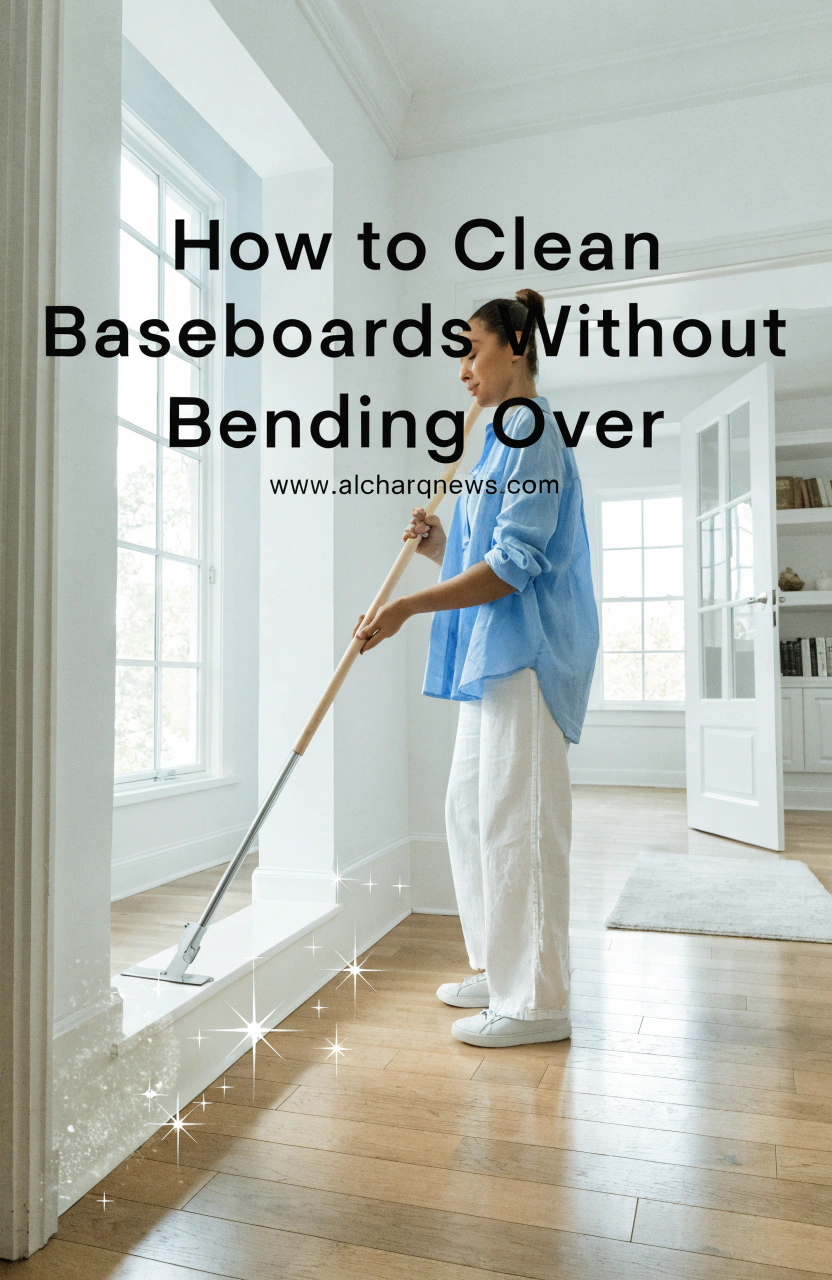
The good news is that you don’t actually need to bend over to get clean, bright baseboards. With the right tools and a smarter approach, you can maintain a fresh home while staying upright and comfortable. This guide on How to Clean Baseboards Without Bending Over shows you exactly how to do it efficiently, safely, and with minimal effort.
Why Clean Baseboards Matter More Than You Think
Baseboards are easy to ignore, but they play a bigger role in your home’s appearance than most people realize.
What Baseboards Actually Collect
- Dust and fine particles
- Pet hair and dander
- Cooking grease (especially in kitchens)
- Shoe scuff marks
- Moisture residue in bathrooms
Why Dirty Baseboards Stand Out
Even when everything else looks clean, dirty trim creates a “unfinished” effect:
- Rooms appear older or poorly maintained
- Dust becomes more visible at floor level
- Cleaning efforts feel incomplete
Recommended Cleaning Frequency
| Area | Suggested Frequency |
|---|---|
| Living room | Every 2–4 weeks |
| Bedroom | Monthly |
| Kitchen | Weekly |
| Bathroom | Weekly |
| High-traffic areas | Every 1–2 weeks |
Sources you can reference:
- Residential cleaning professionals
- Allergy reduction studies
- Housekeeping industry standards
Best Tools for Cleaning Baseboards Without Bending Over
The secret to no-bend cleaning is using tools that extend your reach while keeping control and precision.
Essential Long-Handled Tools
- Extendable microfiber dusters
- Flat mop systems with swivel heads
- Vacuum attachments with edge brushes
- Telescopic cleaning poles
- Spray mop systems
DIY No-Bend Cleaning Hacks
- Attach microfiber cloth to broom handle
- Wrap cloth around mop head and secure with elastic bands
- Use paint roller extension poles with cleaning pads
Why These Tools Work Better
- Reduce physical strain on your back and knees
- Speed up cleaning time
- Improve reach into corners and edges
- Allow standing posture throughout cleaning
Step-by-Step: How to Clean Baseboards Without Bending Over
This simple process keeps things efficient while protecting your surfaces.
Step 1: Remove Loose Dust First
Before using any liquid, eliminate surface dust.
Best methods:
- Vacuum using an edge attachment
- Use a long-handled microfiber duster
- Work from top edge downward
This step prevents dust from turning into muddy streaks later.
Step 2: Prepare a Gentle Cleaning Solution
You don’t need strong chemicals for effective results.
Cleaning Solution Table
| Ingredient | Purpose |
|---|---|
| Warm water | Base cleaning |
| Mild dish soap | Breaks down grime |
| White vinegar (optional) | Cuts grease and odor |
| Microfiber cloth | Safe wiping tool |
Step 3: Clean Using Extended Reach Tools
Now comes the actual cleaning process.
How to do it:
- Attach damp microfiber cloth to extension pole
- Lightly wipe along baseboards
- Move slowly in straight lines
- Focus on scuffed or stained areas
Avoid soaking the surface—light moisture is enough.
Step 4: Dry Immediately
Drying is often skipped, but it matters.
Benefits of drying:
- Prevents streaks
- Protects paint and wood finishes
- Reduces dust reattachment
Use a dry microfiber cloth on a long handle or allow natural airflow.
Smart Cleaning Hacks That Eliminate Bending Completely
If you want even less effort, these tricks make the process easier.
Vacuum-First Strategy
- Removes majority of dust instantly
- Reduces wiping time
- Prevents dirt spreading
“Standing Mop Cloth” Method
- Wrap microfiber cloth around mop head
- Secure tightly
- Clean baseboards while standing upright
This is one of the most effective no-bend methods.
Static Dusting Trick
- Slightly damp microfiber cloth attracts dust
- Works better than dry wiping
- Reduces repeated passes
Combine Cleaning With Floor Work
- Clean baseboards right after vacuuming floors
- No extra setup required
- Efficient one-pass cleaning routine
Best Cleaning Solutions for Baseboards
Different situations require different cleaning strengths.
DIY Cleaning Solution
| Ingredient | Amount |
|---|---|
| Warm water | 1 liter |
| Dish soap | 2–3 drops |
| Vinegar (optional) | 1 tablespoon |
Use for routine cleaning and light grime.
Store-Bought Options
- All-purpose non-abrasive cleaners
- Wood-safe sprays for painted trim
- Dust-repelling formulas
Common Mistakes to Avoid
Even simple cleaning can go wrong if you’re not careful.
Over-Wetting Baseboards
- Can damage paint
- May cause wood swelling
Using Harsh Chemicals
- Strips finish over time
- Leaves sticky residue
Ignoring Corners
- Dust accumulates heavily in edges
- Requires angled tools
Scrubbing Too Hard
- Can scratch surfaces
- May peel paint layers
How to Keep Baseboards Cleaner for Longer
Cleaning once is easy—keeping them clean takes strategy.
Prevent Dust Buildup
- Vacuum edges weekly
- Use air purifiers in dusty rooms
- Keep windows closed during high pollen days
Pet-Friendly Tips
- Brush pets regularly
- Wipe fur buildup near walls
- Keep pet beds away from corners
Protective Maintenance Habits
- Add felt pads under furniture
- Avoid dragging items near walls
- Use washable rugs along baseboards
Weekly No-Bend Cleaning Routine
| Day | Task |
|---|---|
| Monday | Vacuum edges with extension tool |
| Wednesday | Quick dusting in high-traffic areas |
| Friday | Light wipe-down with microfiber cloth |
| Weekend | Spot cleaning stubborn marks |
This keeps buildup minimal without requiring deep cleaning sessions.
FAQs: How to Clean Baseboards Without Bending Over
What is the easiest method?
Using an extendable microfiber duster or vacuum attachment allows you to clean while standing upright.
Can I use a mop for baseboards?
Yes, if you attach a microfiber cloth to the mop head, it becomes an effective no-bend cleaning tool.
How often should baseboards be cleaned?
Most homes need cleaning once a month, but kitchens and busy areas may need weekly attention.
Do dirty baseboards affect indoor air quality?
Yes, they collect dust and allergens that can circulate back into the air.
What’s the safest cleaner?
A mild dish soap and warm water solution is usually safe for most painted or finished baseboards.
Conclusion: Clean Smarter Without the Strain
Learning How to Clean Baseboards Without Bending Over gives you a smarter way to maintain your home without unnecessary physical stress. With extendable tools, simple cleaning solutions, and efficient routines, you can keep your baseboards looking fresh without ever crouching or kneeling.