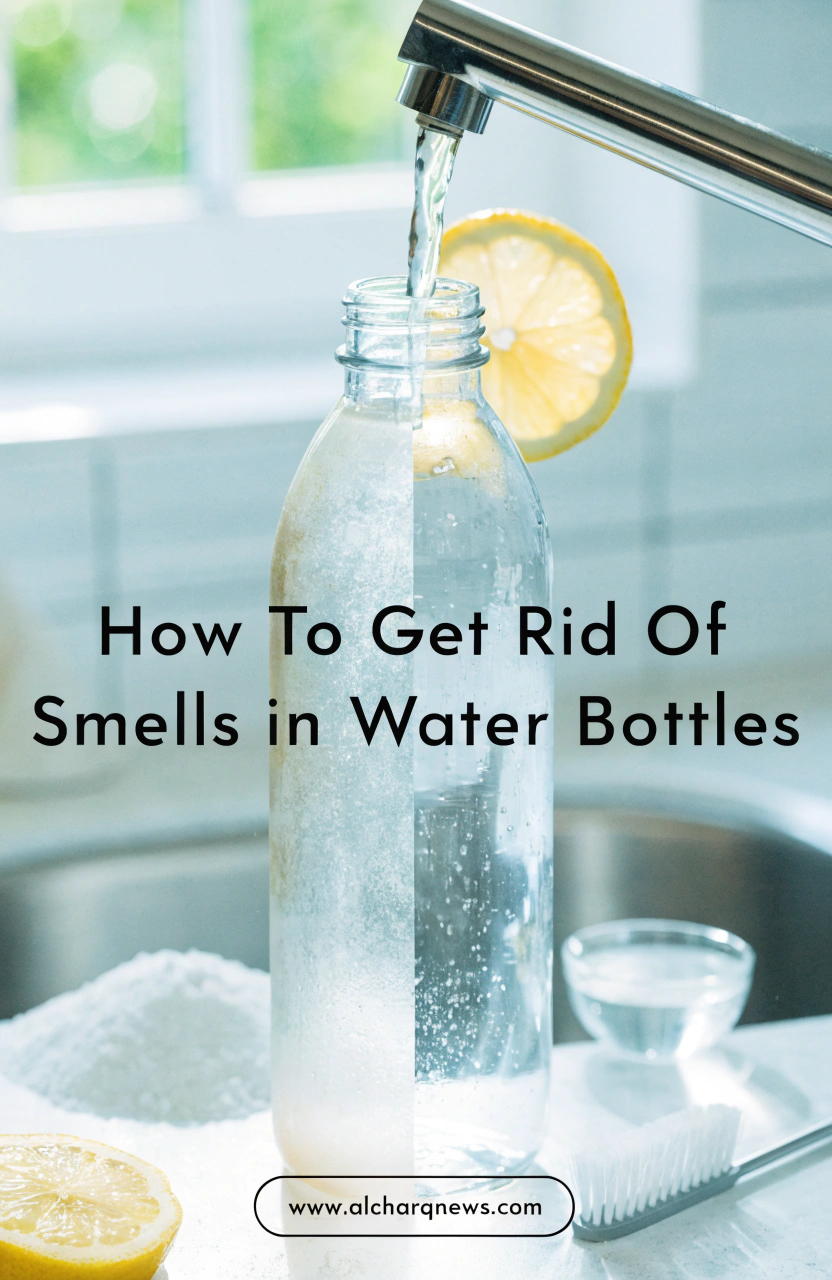
How To Get Rid Of Smells in Water Bottles: Easy Cleaning Hacks for a Fresh Taste Every Time
You take a sip of water expecting something clean and refreshing… but instead, there’s an unpleasant smell and a strange aftertaste. It’s subtle at first, then impossible to ignore. Your water bottle—something you rely on every day—suddenly feels like the problem instead of the solution.
It’s a common issue. Even if you rinse your bottle regularly, odors can slowly build up over time. Moisture, bacteria, and leftover drink residue settle into hidden corners, especially around lids and straws.
The good news is that you don’t need to replace your bottle. With the right cleaning methods, you can completely reset it and restore that clean, fresh taste.
This guide on How To Get Rid Of Smells in Water Bottles shows you exactly why it happens and how to fix it using simple, effective techniques.
Why Water Bottles Start Smelling Bad
Water bottles don’t suddenly smell bad—they develop odors over time due to buildup you may not notice.
Main causes of bottle odors:
- Leftover moisture after use
- Bacteria growth inside warm, damp environments
- Mold in lids, rubber seals, or straws
- Residue from juice, tea, or flavored drinks
- Bottles left closed for long periods
Once bacteria settle in, even clean-looking bottles can start smelling unpleasant.
Types of Smells You Might Notice
Different odors usually point to different causes.
Common bottle smells:
- Sour smell → bacterial buildup
- Musty smell → mold or mildew
- Metallic taste → material reaction or old water
- Sweet but stale smell → leftover flavored drinks
Understanding the smell helps you choose the right cleaning method.
Best Ingredients for Removing Smells in Water Bottles
You don’t need expensive cleaners. Most odor problems can be solved with simple household ingredients.
Effective cleaning ingredients:
- Baking soda
- White vinegar
- Lemon juice
- Dish soap
- Hydrogen peroxide
Each one targets a different type of buildup—odor, bacteria, or residue.
Cleaning Ingredients Guide
| Ingredient | What It Does | Why It Works |
|---|---|---|
| Baking soda | Neutralizes odors | Absorbs and removes smell particles |
| White vinegar | Disinfects | Kills bacteria and mold |
| Lemon juice | Freshens | Breaks down residue naturally |
| Dish soap | Cleans oils | Removes drink buildup |
| Hydrogen peroxide | Deep sanitizing | Eliminates hidden germs |
How To Get Rid Of Smells in Water Bottles (Step-by-Step Methods)
Here are the most effective cleaning methods you can use depending on how strong the odor is.
1. Baking Soda Deep Clean Method
This is one of the easiest and safest methods for everyday odor removal.
Steps:
- Add 1–2 tablespoons of baking soda into your bottle
- Fill with warm water
- Shake well to dissolve
- Let it sit for a few hours or overnight
- Rinse thoroughly
Baking soda works by absorbing trapped odors inside the bottle walls.
2. Vinegar Soak Method for Strong Odors
If your bottle smells strongly sour or musty, vinegar is more powerful.
Steps:
- Mix equal parts white vinegar and water
- Fill the bottle completely
- Let it soak overnight
- Rinse several times with clean water
Vinegar kills bacteria and removes odor-causing buildup effectively.
3. Lemon Juice Freshening Method
Lemon juice helps neutralize light smells while leaving a fresh scent.
Steps:
- Squeeze fresh lemon juice into the bottle
- Add warm water
- Shake and let sit for 30–60 minutes
- Rinse well
This is ideal for regular maintenance.
4. Dish Soap and Hot Water Cleaning
For daily cleaning, dish soap is often enough.
Steps:
- Add warm water and a few drops of dish soap
- Shake or scrub with a bottle brush
- Pay attention to corners and bottom
- Rinse thoroughly
This method removes leftover drink residue that causes odors.
5. Hydrogen Peroxide Deep Clean
For stubborn or long-lasting smells, hydrogen peroxide is very effective.
Steps:
- Add a small amount of hydrogen peroxide
- Let sit for 10–15 minutes
- Rinse extremely well before reuse
This helps eliminate hidden bacteria inside the bottle.
Don’t Forget the Lid, Straw, and Seals
Most smells don’t come from the bottle itself—they come from small hidden parts.
Areas that trap odors:
- Straw interiors
- Rubber seals
- Bottle caps
- Drinking spouts
Cleaning tips:
- Soak all parts separately in vinegar solution
- Use a small brush for tight spaces
- Let everything air dry completely
Moisture trapped here is the most common cause of recurring smells.
Step-by-Step Cleaning Routine for a Fresh Bottle
Simple routine to follow:
- Rinse immediately after each use
- Wash daily with soap and warm water
- Deep clean once a week
- Disassemble parts regularly
- Always air dry before closing
Drying is just as important as washing.
Common Mistakes That Make Bottle Smells Worse
Even small habits can cause persistent odors.
Avoid these mistakes:
- Leaving water sitting for days
- Not cleaning lids or straws
- Closing the bottle while still damp
- Using sugary drinks without deep cleaning
- Only rinsing instead of washing
These habits allow bacteria to grow faster.
How to Prevent Smells in Water Bottles
Prevention is easier than deep cleaning.
Simple prevention habits:
- Empty your bottle daily
- Wash after every use
- Keep lid open while drying
- Avoid storing drinks overnight
- Use bottle brushes regularly
Small habits keep your bottle fresh long-term.
Best Tools for Cleaning Water Bottles
Having the right tools makes cleaning much easier.
Useful cleaning tools:
- Bottle brush
- Straw cleaner
- Microfiber cloth
- Drying rack
- Small scrub brush
These tools help reach hidden areas where odors hide.
Plastic vs Stainless Steel Bottles
Different materials behave differently.
Key differences:
- Plastic absorbs odors more easily
- Stainless steel resists bacteria buildup
- Silicone seals can trap smells regardless of material
Choosing stainless steel can reduce odor issues long-term.
FAQ: How To Get Rid Of Smells in Water Bottles
Why does my water bottle smell bad?
Because bacteria and moisture build up inside the bottle, especially in hidden areas like lids and straws.
What is the fastest way to remove smell from a water bottle?
A baking soda or vinegar soak usually removes odors within a few hours.
Why does the smell come back after cleaning?
Because hidden parts like seals or straws were not cleaned properly.
Can vinegar damage water bottles?
No, but it should always be rinsed thoroughly after use.
How often should I clean my water bottle?
Ideally every day, with a deep clean once a week.
Final Thoughts
A smelly water bottle doesn’t mean it’s ruined—it just needs proper care. Once you understand where odors come from and how to eliminate them, keeping your bottle fresh becomes simple.
Using the methods in How To Get Rid Of Smells in Water Bottles, you can enjoy clean, fresh-tasting water every day without unpleasant surprises.
Call-to-Action
Take a moment today to check your water bottle. If there’s even a slight odor, try one of these cleaning methods right now. Once you experience that clean, fresh taste again, it becomes much easier to keep your bottle spotless as part of your daily routine.