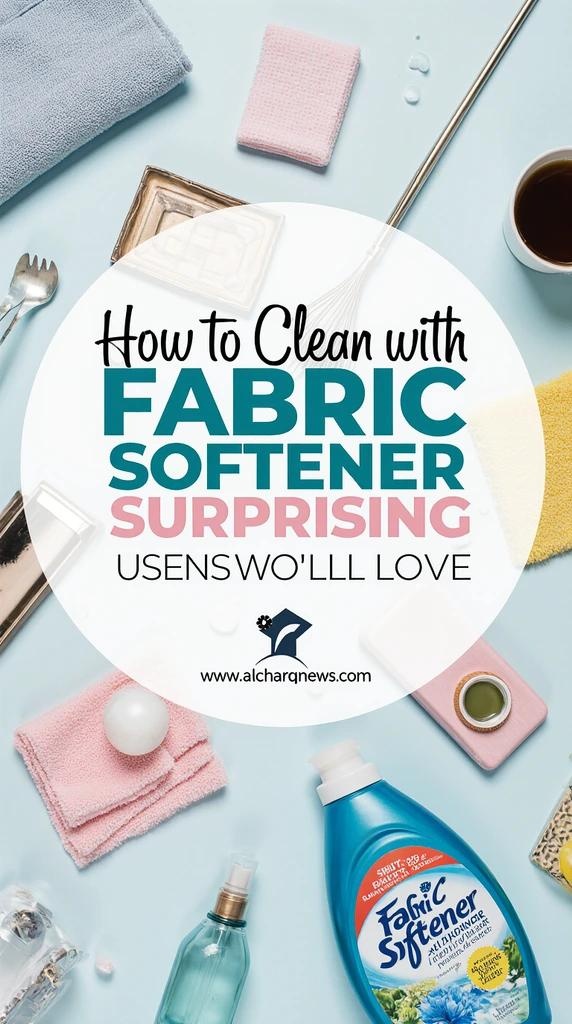
How to Clean with Fabric Softener (Surprising Uses You’ll Love)
When you think about fabric softener, your mind probably goes straight to laundry day. You pour it into the washing machine, your clothes come out softer, and everything smells fresh for a few days. But what many people do not realize is that fabric softener can also become a surprisingly useful cleaning tool around your home.
From dusty baseboards and dull floors to stubborn wallpaper and static-covered furniture, fabric softener has several unexpected cleaning uses that can save you both time and money. Its anti-static ingredients help repel dust, loosen dirt, and leave surfaces smelling cleaner than before.
If you enjoy simple cleaning shortcuts that actually work, you may be surprised by how versatile this laundry product can be. Learning how to clean with fabric softener can completely change the way you handle everyday household chores.
This guide covers the best fabric softener cleaning hacks, the surfaces it works best on, and the mistakes you should avoid to keep your home clean, fresh, and damage-free.
Why Fabric Softener Works for Cleaning
Fabric softener contains ingredients designed to soften fibers and reduce static cling. Those same properties can also help during household cleaning.
When diluted properly, fabric softener can:
- Loosen dust
- Reduce static buildup
- Help surfaces stay cleaner longer
- Leave rooms smelling fresh
- Make wiping easier
It is especially helpful for surfaces that collect dust quickly, such as:
- Baseboards
- Blinds
- Furniture
- Ceiling fans
The key is using the right amount. Too much fabric softener can leave residue behind.
Essential Supplies for Cleaning With Fabric Softener
You only need a few simple tools to create effective cleaning solutions.
Fabric Softener Cleaning Supplies
| Ingredient/Tool | Purpose | Benefits |
|---|---|---|
| Fabric Softener | Main cleaner | Fresh scent & anti-static effect |
| Warm Water | Dilutes solution | Prevents residue |
| Spray Bottle | Easy application | Even coverage |
| Microfiber Cloth | Wiping surfaces | Reduces streaks |
| Soft Sponge | Gentle scrubbing | Safe cleaning |
| Bucket | Mixing large batches | Convenient for floors |
Always dilute fabric softener before using it on surfaces.
How to Clean Floors With Fabric Softener
One of the most popular fabric softener hacks involves floor cleaning.
A small amount added to water can help:
- Remove dust
- Freshen floors
- Reduce static
- Leave surfaces smelling clean
Fabric Softener Floor Cleaning Mixture
| Ingredient | Amount | Purpose |
|---|---|---|
| Warm Water | 1 gallon | Base cleaner |
| Fabric Softener | 1 tablespoon | Freshness & dust control |
How to Use It
- Mix the solution in a bucket
- Dip a mop into the mixture
- Wring out excess liquid
- Mop floors lightly
- Allow surfaces to dry fully
Best Floors for This Method
- Vinyl floors
- Tile floors
- Laminate flooring
Floors to Avoid
- Unsealed hardwood
- Natural stone
- Waxed surfaces
Using too much fabric softener may create slippery floors, so moderation is important.
How to Use Fabric Softener for Dusting
Dust seems to return almost immediately after cleaning. Fabric softener can help slow that process.
Its anti-static properties reduce the electrical charge that attracts dust particles.
Simple Dusting Method
Step 1: Mix a Diluted Solution
Combine:
- 1 part fabric softener
- 4 parts water
Step 2: Spray a Cloth Lightly
Do not spray directly onto furniture.
Step 3: Wipe Surfaces Gently
Focus on:
- Shelves
- Baseboards
- Electronics stands
- Ceiling fan blades
Step 4: Buff Dry
Use a dry microfiber cloth afterward.
Many people notice dust builds up more slowly after using this method.
How to Clean Baseboards With Fabric Softener
Baseboards collect an incredible amount of dust and dirt, especially in busy households.
Fabric softener makes this chore easier while helping repel future dust.
Step-by-Step Baseboard Cleaning
- Vacuum loose dust first
- Mix warm water and fabric softener
- Dip a microfiber cloth into the solution
- Wipe baseboards carefully
- Dry with a clean towel
The anti-static layer left behind can help keep baseboards cleaner longer.
How to Remove Wallpaper With Fabric Softener
One of the most surprising uses for fabric softener is wallpaper removal.
The solution helps soften old wallpaper glue, making peeling easier.
Wallpaper Removal Solution
| Ingredient | Amount | Purpose |
|---|---|---|
| Hot Water | Equal parts | Loosens adhesive |
| Fabric Softener | Equal parts | Softens glue |
How to Remove Wallpaper
- Spray the solution directly onto wallpaper
- Let it soak for several minutes
- Use a scraper carefully
- Peel wallpaper slowly
This method can reduce the amount of scraping needed significantly.
How to Freshen Furniture and Upholstery
Fabric furniture sometimes traps odors and static electricity.
A light fabric softener mist can help refresh upholstery without heavy chemical sprays.
Upholstery Freshening Tips
1. Dilute Properly
Use a very light solution.
2. Mist Fabric Lightly
Avoid soaking cushions or upholstery.
3. Allow Furniture to Air Dry
Open windows for ventilation if possible.
4. Test Hidden Areas First
Some fabrics react differently.
This trick works especially well for:
- Sofas
- Curtains
- Fabric chairs
- Decorative pillows
Surprising Ways to Clean With Fabric Softener
Fabric softener has more uses than most people expect.
Unexpected Cleaning Hacks
- Wiping blinds
- Cleaning shower doors
- Reducing carpet static
- Freshening trash cans
- Dusting ceiling fans
- Cleaning air vents
- Removing soap scum
Small amounts can go a long way throughout your home.
Common Mistakes to Avoid
Although fabric softener can be useful, improper use may cause problems.
Mistakes to Avoid
- Using too much product
- Applying directly to electronics
- Cleaning unfinished wood
- Leaving excess residue on floors
- Over-saturating upholstery
A diluted solution works best in most situations.
Best Types of Fabric Softener for Cleaning
Some fabric softeners work better for cleaning than others.
Fabric Softener Options
| Type | Benefits | Best Use |
|---|---|---|
| Liquid Softener | Easy mixing | General cleaning |
| Fragrance-Free | Sensitive households | Low-odor cleaning |
| Concentrated Formula | Stronger scent | Large cleaning jobs |
Mild formulas are usually safest for household surfaces.
Is Cleaning With Fabric Softener Safe?
When used properly and diluted correctly, fabric softener cleaning methods are generally safe for many surfaces.
However, you should:
- Avoid delicate electronics
- Keep it away from unfinished wood
- Prevent slippery floor buildup
- Test surfaces first
Using too much product often creates more problems than benefits.
FAQ About How to Clean with Fabric Softener
Can You Really Clean With Fabric Softener?
Yes. When diluted correctly, it can help remove dust, reduce static, and freshen surfaces.
Does Fabric Softener Leave Residue on Floors?
Too much product may leave slippery buildup, which is why small amounts are recommended.
Is Fabric Softener Safe for Furniture?
Lightly diluted solutions are usually safer, but testing a hidden spot first is important.
Why Does Fabric Softener Reduce Dust?
Its anti-static ingredients help reduce the attraction between surfaces and dust particles.
Can You Use Fabric Softener on Wood Furniture?
It is safer to avoid unfinished wood because residue may affect the finish.
Conclusion
Fabric softener is far more versatile than most people realize. Beyond making laundry smell fresh and feel soft, it can also help you dust furniture, clean floors, freshen upholstery, remove wallpaper, and reduce static throughout your home.
By learning how to clean with fabric softener properly, you can simplify your cleaning routine while saving money on specialty products. The key is moderation, proper dilution, and choosing surfaces that respond well to this surprisingly effective cleaning hack.
Try one of these fabric softener cleaning tricks during your next cleaning session and see how much easier everyday chores can become.