14 Dirty Spots You’re Forgetting to Clean at Home
You vacuum the floors, wipe the kitchen counters, scrub the bathroom, and wash the dishes regularly. Still, there are moments when your home does not feel as fresh as you expected. Strange odors linger, dust seems to return overnight, and allergies may even become more noticeable. The reason is often simpler than you think: some of the dirtiest areas in your home are the ones you rarely remember to clean.
Many hidden spots quietly collect dust, grease, bacteria, pet hair, and moisture every day. Because these areas blend into your surroundings, they often go unnoticed for weeks or even months. Yet cleaning these forgotten spaces can completely change how your home looks, smells, and feels.
Learning about the dirty spots you’re forgetting to clean at home can help you create a healthier living environment while making your entire house feel cleaner and more comfortable. The good news is that most of these areas only take a few minutes to maintain once you know where to look.
Here are the hidden dirty spots you should stop ignoring and the best ways to clean them properly.
Why Forgotten Dirty Spots Matter
Even homes that appear clean on the surface can hide a surprising amount of dirt and bacteria in overlooked places.
Hidden grime can:
- Affect indoor air quality
- Create unpleasant odors
- Trigger allergies
- Spread germs
- Make rooms feel dusty faster
Small cleaning habits often make a bigger difference than deep cleaning once a month.
Essential Cleaning Supplies for Hidden Dirty Spots
Before you begin, gather a few versatile cleaning tools.
Best Cleaning Supplies for Forgotten Areas
| Ingredient/Tool | Purpose | Best Use |
|---|---|---|
| Microfiber Cloths | Dusting and wiping | Electronics and surfaces |
| White Vinegar | Natural disinfecting | Kitchen and bathroom |
| Baking Soda | Odor removal | Appliances and drains |
| Toothbrush | Small crevices | Corners and grout |
| Vacuum Attachments | Dust removal | Vents and furniture |
| Disinfecting Wipes | Germ removal | High-touch surfaces |
These simple supplies can handle most hidden cleaning tasks around your home.
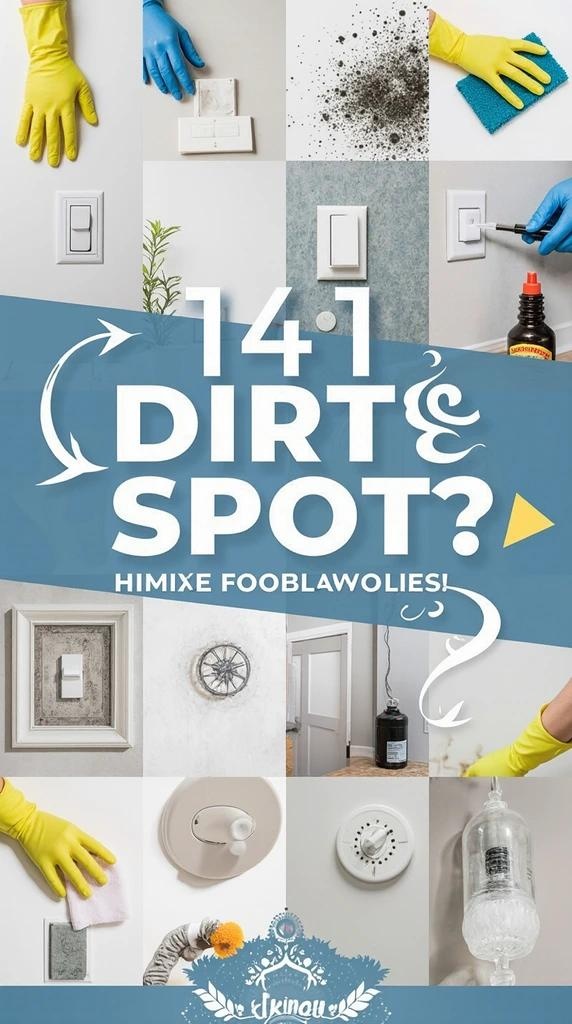
1. Light Switches and Door Handles
You touch these surfaces constantly throughout the day, yet they are often ignored during routine cleaning.
Light switches and door handles collect:
- Fingerprints
- Oils
- Bacteria
- Dust
How to Clean Them
- Use disinfecting wipes or a vinegar solution
- Wipe gently but thoroughly
- Dry surfaces afterward
Cleaning these weekly can help reduce germ buildup significantly.
2. Remote Controls and Electronics
Remote controls may be among the dirtiest items in your living room.
Dust, oils, crumbs, and bacteria collect around buttons quickly.
Safe Cleaning Tips
- Use a dry microfiber cloth first
- Lightly wipe with alcohol-based cleaner
- Avoid spraying liquids directly onto electronics
Do not forget gaming controllers, keyboards, and computer mice too.
3. Ceiling Fans and Light Fixtures
Ceiling fans quietly collect thick layers of dust over time.
Once the fan turns on, that dust spreads throughout the room.
Ceiling Fan Cleaning Steps
- Turn the fan off
- Use a microfiber duster
- Wipe blades with a damp cloth
- Dry thoroughly
Light fixtures should also be cleaned regularly to improve brightness and reduce dust.
4. Baseboards and Trim
Baseboards attract more dust than most people realize.
Pet hair, dirt, and debris settle near the floor constantly.
Best Cleaning Method
- Vacuum first
- Wipe with warm soapy water
- Dry with microfiber cloth
Clean baseboards instantly make a room feel fresher.
5. Behind and Under Furniture
Large furniture hides some of the biggest dust collections in your home.
Areas often ignored include:
- Under sofas
- Behind beds
- Behind dressers
- Beneath entertainment centers
These spaces collect:
- Dust
- Pet hair
- Food crumbs
- Allergens
Vacuum attachments make this task much easier.
6. Trash Cans
Even with liners, trash cans develop odors and bacteria over time.
Leaks and food residue often collect at the bottom unnoticed.
Trash Can Cleaning Ingredients
| Ingredient | Purpose | Benefit |
|---|---|---|
| Baking Soda | Odor control | Neutralizes smells |
| Dish Soap | Degreasing | Removes residue |
| Vinegar | Disinfecting | Freshens surfaces |
Cleaning Tips
- Wash trash cans weekly
- Sprinkle baking soda at the bottom
- Let cans dry fully before replacing liners
7. Washing Machine and Dishwasher
Appliances designed to clean can become dirty themselves.
Soap residue, mildew, grease, and hard water buildup reduce cleaning performance over time.
Appliance Cleaning Tips
- Run hot cleaning cycles monthly
- Clean filters regularly
- Leave doors slightly open after use
This helps prevent moisture buildup and unpleasant odors.
8. Shower Curtains and Bathroom Exhaust Fans
Bathrooms trap humidity constantly, making them perfect environments for mold and dust buildup.
Forgotten Bathroom Areas
- Shower curtain liners
- Exhaust fan covers
- Corners near ceilings
Cleaning Steps
- Wash shower curtains regularly
- Vacuum fan covers carefully
- Wipe away moisture buildup
Better ventilation helps reduce mildew problems.
9. Air Vents and Filters
Dusty vents spread particles throughout your home every time the heating or cooling system runs.
Dirty air filters can:
- Reduce airflow
- Worsen allergies
- Make rooms feel dusty faster
Why Vent Cleaning Matters
- Improves indoor air quality
- Helps HVAC systems run efficiently
- Keeps rooms fresher
Replace air filters regularly for best results.
10. Kitchen Cabinet Handles
Cabinet handles collect grease slowly over time from cooking and dirty hands.
Because buildup happens gradually, many people do not notice it immediately.
Best Cleaning Solutions
- Warm water and dish soap
- Vinegar spray for grease removal
Pay special attention to cabinets near the stove.
11. Pet Bowls and Pet Areas
Pet food bowls and bedding can become surprisingly dirty quickly.
Pet Cleaning Routine
- Wash bowls daily
- Vacuum pet bedding weekly
- Clean feeding areas regularly
This helps reduce odors and bacteria.
12. Reusable Grocery Bags
Reusable shopping bags travel everywhere with you, yet they rarely get cleaned.
Food residue and bacteria can build up inside fabric and insulated bags.
How to Clean Grocery Bags
- Wash fabric bags regularly
- Wipe insulated bags carefully
- Allow bags to dry fully
This simple habit helps improve kitchen hygiene.
13. Toothbrush Holders
Toothbrush holders collect standing water and toothpaste residue easily.
Cleaning Tips
- Wash weekly with hot water
- Use vinegar for disinfecting
- Dry completely afterward
This tiny cleaning task often gets overlooked.
14. Mattress and Pillows
Your mattress and pillows absorb:
- Sweat
- Dust mites
- Dead skin cells
- Allergens
Mattress Cleaning Steps
- Vacuum thoroughly
- Sprinkle baking soda
- Let it sit for several hours
- Vacuum again
Fresh bedding improves sleep quality and cleanliness.
How Often Should You Clean Forgotten Dirty Spots?
Recommended Cleaning Schedule
| Area | Cleaning Frequency |
|---|---|
| Light Switches | Weekly |
| Ceiling Fans | Monthly |
| Trash Cans | Weekly |
| Air Vents | Every 2–3 Months |
| Remote Controls | Weekly |
| Mattress | Every 6 Months |
Creating a small routine makes these tasks easier to manage.
Common Cleaning Mistakes to Avoid
Mistakes That Make Cleaning Less Effective
- Using harsh chemicals on electronics
- Forgetting to dry surfaces properly
- Ignoring moisture-prone areas
- Skipping appliance maintenance
- Overlooking high-touch surfaces
Consistency matters more than perfection.
FAQ About Dirty Spots You’re Forgetting to Clean at Home
What Are the Dirtiest Places in a House?
High-touch surfaces, hidden moisture areas, and neglected appliances often collect the most germs and dirt.
How Often Should Forgotten Areas Be Cleaned?
Most frequently touched surfaces should be cleaned weekly.
Why Do Hidden Areas Smell Bad?
Dust, moisture, grease, and bacteria gradually create odors over time.
Can Dirty Hidden Spots Affect Health?
Yes. Dust, allergens, and bacteria may impact air quality and allergies.
What Is the Best Way to Keep Hidden Areas Clean?
Follow a simple cleaning schedule and focus on small maintenance habits regularly.
Conclusion
Even the cleanest homes often contain hidden areas filled with dust, bacteria, grease, and grime. By paying attention to these overlooked spaces, you can dramatically improve the freshness, comfort, and cleanliness of your entire house.
Learning about the dirty spots you’re forgetting to clean at home helps you go beyond surface-level tidying and create a truly healthier living environment. Small efforts like wiping light switches, cleaning vents, and washing trash cans regularly can make your home feel noticeably cleaner every single day.
Start with just a few forgotten spots this week, and you may be surprised by how much fresher your home suddenly feels.