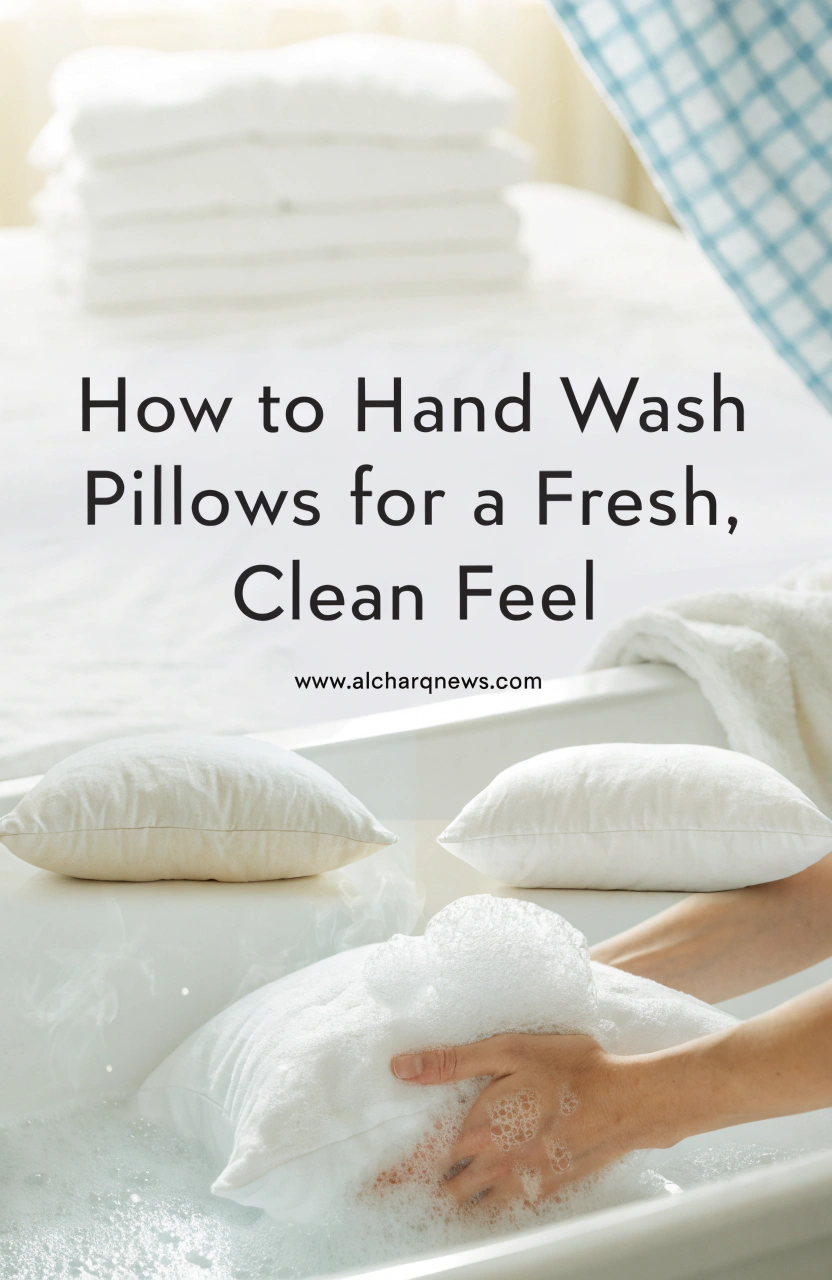
How to Hand Wash Pillows for a Fresh, Clean Feel: The Complete Step-by-Step Guide
Introduction: The Clean Pillow Feeling You Forgot You Needed
You might change your sheets every week and wash your pillowcases regularly, but the pillows themselves often get overlooked. Over time, they quietly absorb sweat, body oils, dust mites, and everyday odors. You don’t always notice it right away, but eventually your pillow starts to feel less fresh, less fluffy, and less inviting.
That subtle change affects more than comfort — it can influence how well you sleep and how rested you feel in the morning. A pillow that once felt soft and supportive can slowly become flat, yellowed, or slightly musty.
The good news is you don’t need to replace them right away. With the right approach, you can restore that fresh, clean feeling at home. This guide on How to Hand Wash Pillows for a Fresh, Clean Feel walks you through everything step-by-step so you can safely clean your pillows, extend their lifespan, and improve your sleep environment.
Why Cleaning Your Pillows Matters More Than You Think
Your pillow works harder than almost any other bedding item. Every night, it absorbs moisture, heat, and particles from your skin and hair.
What Builds Up Inside Your Pillows
- Sweat and body oils
- Dust mites and allergens
- Dead skin cells
- Odors from humidity and sleep environment
- Bacteria buildup over time
Benefits of Hand Washing Pillows
- Improves sleep hygiene
- Reduces allergy triggers
- Restores fluffiness and shape
- Removes deep-set odors
- Extends pillow lifespan significantly
How Often Should You Wash Pillows?
Recommended Cleaning Schedule
| Pillow Type | Cleaning Frequency |
|---|---|
| Synthetic pillows | Every 3–4 months |
| Feather/down pillows | Every 6 months |
| Memory foam pillows | Spot clean every 2–3 months |
According to bedding hygiene experts, regular deep cleaning helps reduce allergens and improves indoor air quality, especially in warm or humid climates.
Understanding Your Pillow Type Before Washing
Not all pillows are created equal, and using the wrong method can damage them.
Synthetic Fiber Pillows
- Fully washable
- Quick drying
- Easy to maintain
- Most beginner-friendly option
Feather and Down Pillows
- Require gentle handling
- Need extra drying time
- Can clump if not dried properly
Memory Foam Pillows
- Do NOT submerge in water
- Require spot cleaning only
- Sensitive to moisture damage
Knowing your pillow type helps you avoid shrinkage, clumping, or structural damage during cleaning.
Essential Supplies for Hand Washing Pillows
You don’t need expensive products — just a few household basics.
Tools You’ll Need
- Large sink or bathtub
- Mild liquid detergent
- Clean towels
- Soft sponge or cloth
- Drying rack or flat surface
- Optional: gloves for sensitive skin
Pillow Cleaning Ingredients Table
| Ingredient | Purpose |
|---|---|
| Warm water | Loosens dirt and oils |
| Mild detergent | Removes stains and grime |
| White vinegar | Deodorizing (optional) |
| Baking soda | Neutralizes odors |
These gentle ingredients clean effectively without damaging fabric fibers or fillings.
Step-by-Step: How to Hand Wash Pillows for a Fresh, Clean Feel
This process is simple, but doing it correctly makes all the difference.
Step 1: Check the Care Label
Before anything else, look at the manufacturer’s instructions.
- Confirm washing method
- Check temperature guidelines
- Identify fabric restrictions
Skipping this step is one of the most common causes of pillow damage.
Step 2: Prepare Your Cleaning Solution
Fill a tub or sink with warm water and mix in detergent.
Basic Cleaning Formula
| Ingredient | Amount |
|---|---|
| Warm water | Enough to submerge pillow |
| Mild detergent | 1–2 tablespoons |
| Baking soda (optional) | 1 tablespoon |
This solution breaks down oils and removes embedded odors.
Step 3: Submerge and Soak the Pillow
- Place the pillow into the water
- Press gently to fully soak it
- Let it sit for 15–30 minutes
This allows dirt and oils to loosen naturally without harsh scrubbing.
Step 4: Gently Clean the Pillow
- Press and squeeze the pillow carefully
- Focus on stained or discolored areas
- Avoid twisting or wringing
Think of it as “massaging” the pillow rather than scrubbing it.
Step 5: Rinse Thoroughly
- Drain dirty water
- Refill with clean water
- Repeat until no soap remains
Proper rinsing is essential to avoid residue buildup that can cause stiffness or irritation.
Step 6: Remove Excess Water Safely
- Press pillow gently between towels
- Absorb as much moisture as possible
- Do NOT twist or wring
This helps maintain pillow structure and prevents internal damage.
Step 7: Dry Completely
Drying is the most important step in the entire process.
- Air dry in sunlight if possible
- Flip every few hours
- Ensure full internal dryness
Moisture trapped inside can lead to mold or unpleasant odors.
Best Drying Methods for Pillows
Proper drying ensures long-lasting freshness.
Air Drying (Best Method)
- Natural sunlight kills bacteria
- Maintains pillow structure
- Prevents overheating damage
Low-Heat Machine Drying (If Allowed)
- Use dryer balls for fluffing
- Keep heat setting low
- Check frequently
Preventing Clumping
- Fluff pillow during drying
- Break apart filling gently
- Rotate regularly
Common Pillow Washing Mistakes You Should Avoid
Even small mistakes can ruin your pillow.
Overusing Detergent
- Leaves residue inside fibers
- Makes pillow feel stiff
Not Drying Fully
- Causes mildew growth
- Creates bad odors
Wringing or Twisting
- Damages internal structure
- Leads to permanent deformation
Using Hot Water
- Can shrink or damage filling
- Weakens fabric over time
How to Keep Your Pillows Fresher for Longer
Once your pillows are clean, a few habits help maintain freshness.
Weekly Care Tips
- Fluff pillows daily
- Air them out in sunlight
- Wash pillowcases weekly
Protective Habits
- Use pillow protectors
- Avoid sleeping with wet hair
- Keep bedroom ventilated
Allergy Prevention Tips
- Vacuum bedding regularly
- Reduce dust buildup in bedroom
- Use hypoallergenic covers
Quick Refresh Tricks Between Washes
Sometimes you just need a quick reset.
Baking Soda Odor Removal
- Sprinkle lightly over pillow
- Let sit for 30–60 minutes
- Vacuum or shake off
Sunlight Freshening Method
- Place pillows outside
- Let natural UV rays kill bacteria
- Refreshes smell instantly
FAQs: How to Hand Wash Pillows for a Fresh, Clean Feel
Can all pillows be hand washed?
No. Memory foam pillows should only be spot cleaned, while synthetic and feather pillows can be safely hand washed.
How long do pillows take to dry?
Usually 24–48 hours depending on thickness and weather conditions.
Why do pillows turn yellow?
This is caused by sweat, oils, and moisture buildup over time.
Can I use regular laundry detergent?
Yes, but only a small amount of mild detergent is recommended.
How often should I clean my pillows?
Every 3–6 months depending on pillow type and usage.
Conclusion: Bring Back That Fresh, Hotel-Like Pillow Feel
Learning How to Hand Wash Pillows for a Fresh, Clean Feel is one of the simplest ways to upgrade your sleep quality without buying anything new. With just warm water, mild detergent, and a little patience, you can remove hidden buildup, restore softness, and refresh your entire sleep environment.
Clean pillows don’t just look better — they help you sleep deeper, breathe easier, and wake up feeling more refreshed.
If your pillows haven’t been washed in a while, now is the perfect time to start. Try this method and experience the difference for yourself — then share your results or tips to help others get that same fresh, clean sleep feeling.