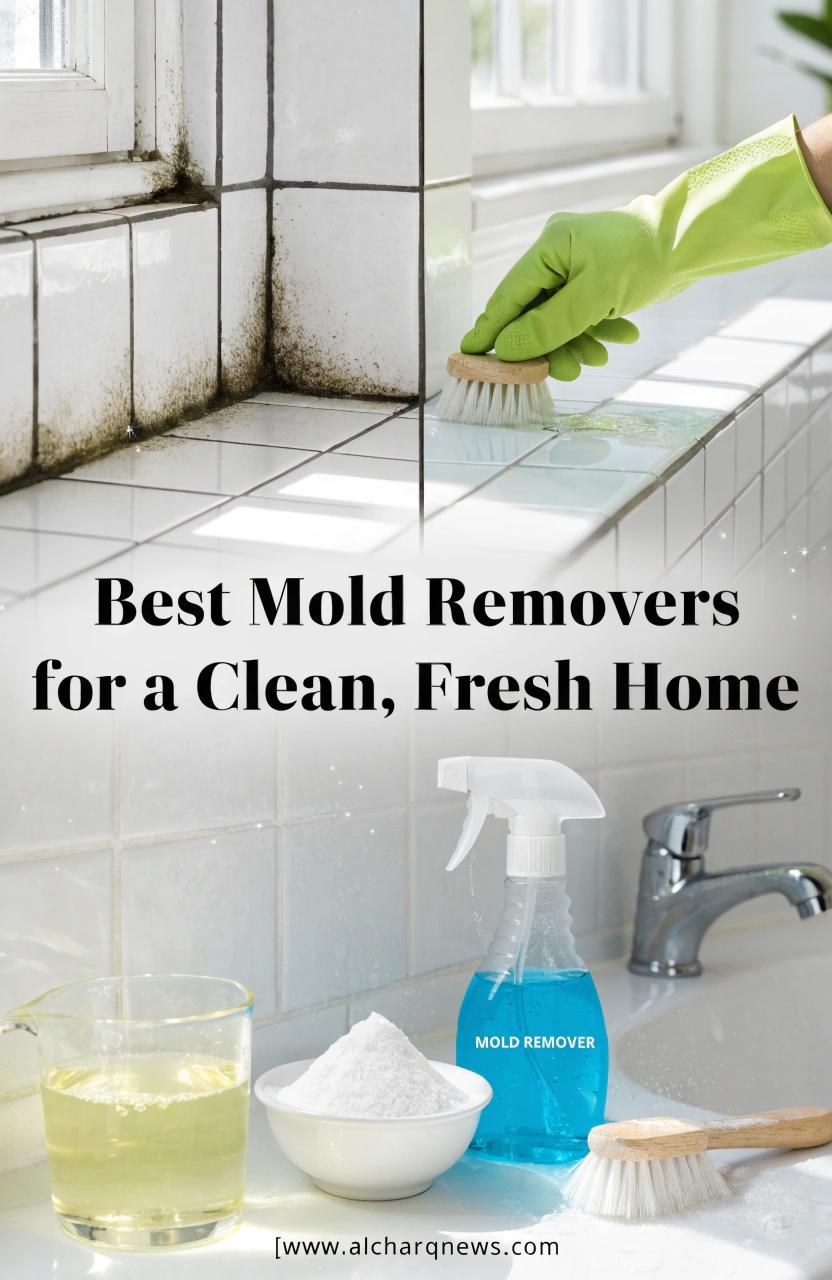
Best Mold Removers for a Clean, Fresh Home: Powerful Solutions That Actually Work
You walk into a room expecting comfort, but instead you catch it—that damp, musty smell that makes you pause. Maybe it’s a corner in the bathroom, a patch behind the washing machine, or a shadowy spot on the ceiling you didn’t notice before. At first, it feels small. Easy to ignore.
But mold doesn’t stay small for long.
It spreads quietly, feeding on moisture and hidden dampness, slowly changing how your home looks, smells, and even feels. No matter how often you clean, that stubborn odor can make your space feel less fresh than it should be.
The good news is that you can take control of it. With the best mold removers for a clean, fresh home, you can eliminate buildup, restore freshness, and prevent it from coming back.
This guide shows you what actually works, how to use it safely, and how to keep mold from returning.
What Causes Mold in Your Home?
Mold doesn’t appear randomly. It needs three things to grow: moisture, warmth, and a surface to feed on. Unfortunately, most homes provide all three without you realizing it.
Common causes of indoor mold:
- Leaky pipes or hidden plumbing issues
- Poor ventilation in bathrooms or kitchens
- High indoor humidity (above 60%)
- Condensation on windows
- Damp clothes or fabrics left too long
- Water damage that was never fully dried
Once mold starts growing, it spreads quickly through tiny airborne spores. That’s why early treatment matters.
Why Mold Is a Problem You Shouldn’t Ignore
Even small patches of mold can affect your home more than you expect.
Effects of mold in your home:
- Persistent musty odor
- Stained walls, grout, or ceilings
- Damage to paint, wood, and fabric
- Poor indoor air quality
- Increased humidity problems
The longer it stays, the harder it becomes to remove completely.
Best Mold Removers for a Clean, Fresh Home
Different mold situations require different solutions. Some are better for light surface mold, while others handle deeper buildup.
1. Bleach-Based Mold Cleaners (Strongest Option)
Bleach is one of the most powerful mold removers for non-porous surfaces.
Best for:
- Bathroom tiles
- Bathtubs
- Glass surfaces
- Hard plastic
Why it works:
Bleach kills mold on contact and removes visible stains quickly.
Important note:
You should always use it in a well-ventilated area and never mix it with vinegar or ammonia.
2. White Vinegar (Natural Mold Solution)
White vinegar is a strong natural alternative that works surprisingly well on household mold.
Best for:
- Light mold buildup
- Walls and corners
- Bathroom surfaces
Why it works:
Its acidity helps break down mold structure and slow regrowth.
It’s a great option if you prefer a chemical-free cleaning approach.
3. Hydrogen Peroxide Mold Cleaner
Hydrogen peroxide is another effective option that’s less harsh than bleach.
Simple DIY mold spray:
| Ingredient | Purpose |
|---|---|
| Hydrogen peroxide (3%) | Kills mold spores |
| Water | Safe dilution |
| Essential oil (optional) | Improves smell |
Best for:
- Bathroom grout
- Kitchen surfaces
- Small mold patches
It works by releasing oxygen that breaks down mold at the root.
4. Baking Soda Mold Treatment
Baking soda is gentle but effective, especially for ongoing maintenance.
Benefits:
- Removes odors
- Helps prevent regrowth
- Safe for most surfaces
Best for:
- Fabric areas
- Light surface mold
- Regular cleaning maintenance
You can mix it with water into a paste for scrubbing or dissolve it in a spray bottle.
5. Commercial Mold Removers
Store-bought mold removers are designed for fast, targeted results.
Best for:
- Heavy mold buildup
- Stubborn bathroom stains
- Large affected areas
Why people use them:
- Fast action
- Strong formulas
- Easy application
Always check labels for safety instructions and ventilation requirements.
How to Remove Mold Safely and Effectively
Cleaning mold isn’t just about the product—it’s also about how you use it.
Step-by-step process:
- Identify all affected areas
- Put on gloves and protective mask
- Apply mold remover directly
- Let it sit for proper dwell time
- Scrub the surface thoroughly
- Rinse and dry completely
Drying is critical—moisture left behind allows mold to return.
Where Mold Usually Hides in Your Home
Mold often grows in places you don’t check daily.
High-risk areas:
- Bathroom ceilings and grout lines
- Under kitchen sinks
- Around window frames
- Behind furniture near walls
- Laundry rooms
- Basement corners
Checking these areas regularly helps you catch mold early.
DIY Mold Removal Recipes You Can Try at Home
Sometimes simple household ingredients are enough.
Natural Mold Spray Recipe
| Ingredient | Amount |
|---|---|
| White vinegar | 1 cup |
| Water | 1 cup |
| Lemon juice (optional) | Few drops |
Mix and spray directly on affected areas. Let it sit before wiping clean.
Baking Soda Scrub Paste
Mix baking soda with a small amount of water until it forms a paste. Apply, scrub gently, and rinse.
This works well for grout and small mold spots.
How to Prevent Mold from Coming Back
Removing mold is only half the job. Preventing it is what keeps your home fresh long-term.
Simple prevention habits:
- Keep humidity below 50%
- Use exhaust fans in bathrooms
- Fix leaks immediately
- Dry wet surfaces quickly
- Wash damp fabrics promptly
- Improve airflow in closed rooms
Even small changes make a big difference over time.
Common Mistakes When Removing Mold
Many people accidentally make mold worse without realizing it.
Avoid these mistakes:
- Only cleaning visible mold without treating hidden moisture
- Using too much water during cleaning
- Not drying surfaces properly
- Ignoring recurring damp smells
- Delaying treatment too long
Mold always returns if the moisture source remains.
When You Should Call a Professional
Sometimes mold goes beyond DIY solutions.
Warning signs:
- Large mold patches spreading quickly
- Strong persistent odor
- Mold returning after repeated cleaning
- Water damage in walls or ceilings
In these cases, professional inspection is the safest option.
Benefits of Using the Best Mold Removers for a Clean, Fresh Home
When you use the right approach, the difference is noticeable.
Key benefits:
- Fresher indoor air
- Cleaner-looking surfaces
- Reduced odors
- Healthier living environment
- Long-term mold prevention
A clean home doesn’t just look better—it feels better.
FAQ: Best Mold Removers for a Clean, Fresh Home
What is the most effective mold remover?
Bleach is the strongest for hard surfaces, while vinegar and hydrogen peroxide work well for natural cleaning.
Can mold be completely removed?
Yes, but only if both the mold and the moisture source are addressed.
Is vinegar or bleach better for mold?
Bleach is stronger for visible mold, but vinegar is safer and more eco-friendly.
Does mold come back after cleaning?
Yes, if humidity or leaks are not fixed.
What kills mold permanently?
Removing moisture and using strong disinfectants together prevents regrowth.
Final Thoughts
Mold is more than a surface problem—it’s a moisture problem. Once you understand where it comes from and how it spreads, removing it becomes much easier.
With the best mold removers for a clean, fresh home, you can restore your space, eliminate odors, and protect your home from long-term damage.
Call-to-Action
Pick one small mold-prone area in your home today—like bathroom grout or a window corner—and treat it using one of the methods above. Once you see how quickly results appear, you’ll feel more confident tackling the rest of your home step by step.