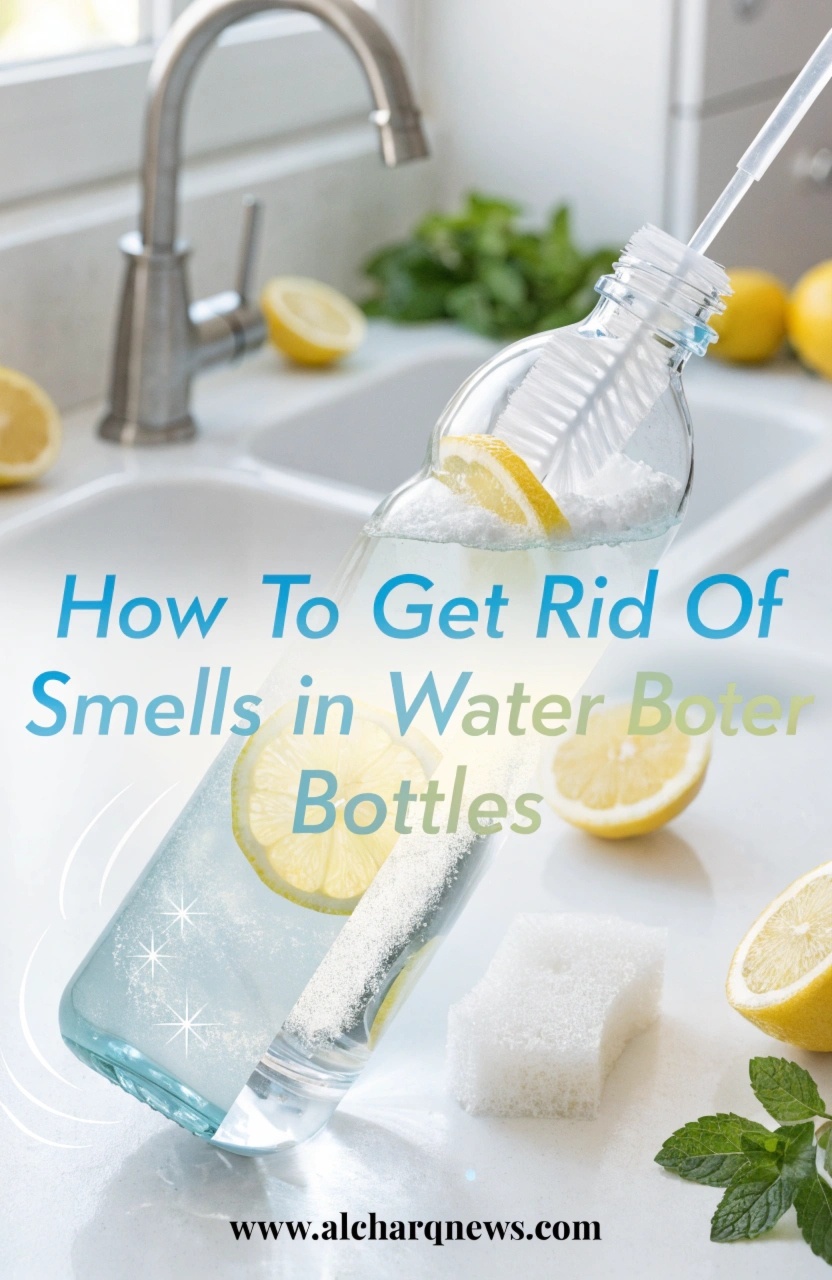
How To Get Rid Of Smells in Water Bottles – A Complete Guide to a Fresh, Odor-Free Sip Every Time
You take a sip expecting clean, refreshing water… but instead, that unpleasant smell hits you again. It might be slightly sour, a bit plastic-like, or even musty—enough to make you hesitate before drinking.
It’s frustrating because the bottle looks clean. You’ve rinsed it. You’ve even added soap before. Yet the smell keeps coming back.
What you’re dealing with isn’t just surface dirt. It’s trapped residue, hidden bacteria, and moisture that settles deep inside the lid, threads, and corners. Once you understand how to get rid of smells in water bottles properly, you stop guessing and start fixing the root problem.
Let’s walk through exactly how to bring your bottle back to a fresh, neutral state—so every sip feels clean again.
Why Your Water Bottle Smells Worse Than You Think
Even if you only use water, your bottle is constantly exposed to conditions that encourage odor buildup.
The main causes include:
- Moisture trapped after use
- Bacteria growth in warm, closed environments
- Leftover drink residue (tea, juice, protein shakes)
- Mold forming in caps and rubber seals
- Poor drying habits after washing
According to basic hygiene research on reusable containers, warm and damp environments significantly accelerate bacterial growth. That’s exactly what a closed water bottle becomes if it isn’t fully dried.
So the smell you notice isn’t random—it’s buildup over time.
What You Need Before You Start Cleaning
You don’t need expensive cleaners. Most odor problems can be solved with simple household items.
Basic ingredients for odor removal
| Ingredient | Purpose | Why it works |
|---|---|---|
| White vinegar | Disinfecting | Breaks down bacteria and mold |
| Baking soda | Deodorizing | Absorbs trapped smells |
| Lemon juice | Freshening | Neutralizes odor compounds |
| Dish soap | Cleaning residue | Removes oils and buildup |
| Hot water | Deep rinse | Loosens stuck particles |
Each ingredient plays a different role, but together they restore your bottle’s freshness completely.
How To Get Rid Of Smells in Water Bottles Using Proven Methods
Different smells require different approaches. Light odors don’t need the same treatment as stubborn, sour smells that linger for weeks.
Below are the most effective methods you can use immediately.
Vinegar Soak Method for Strong Odors
If your bottle smells sour or moldy, this is your strongest starting point.
What you do:
- Fill the bottle halfway with white vinegar
- Add warm water to top it off
- Let it sit for 20–30 minutes
- Shake gently
- Rinse thoroughly with hot water
Vinegar works because it breaks down bacteria and neutralizes odor-causing compounds at the source.
For very strong smells, you can repeat this process twice.
Baking Soda Overnight Clean for Deep Odors
When vinegar alone isn’t enough, baking soda helps absorb what’s left behind.
Steps:
- Add 1–2 tablespoons of baking soda
- Fill with warm water
- Shake well to dissolve
- Leave overnight
- Rinse thoroughly in the morning
This method works especially well for bottles used with protein shakes or flavored drinks.
Lemon Refresh Method for Light Smells
For mild odors or daily maintenance, lemon works beautifully.
How to use it:
- Slice a lemon or squeeze juice into the bottle
- Fill with warm water
- Let it sit for 1 hour
- Rinse and air dry
This not only removes light smells but leaves a naturally clean scent behind.
Dish Soap Deep Clean for Everyday Hygiene
Sometimes the issue isn’t just smell—it’s residue buildup.
Steps:
- Add a few drops of dish soap
- Fill with hot water
- Use a bottle brush to scrub inside
- Pay attention to threads and bottom corners
- Rinse completely
This should be your regular cleaning method between deeper odor treatments.
Overnight Foam Reaction Method (For Severe Cases)
If your bottle smells like it’s beyond repair, this combination works fast.
Steps:
- Add baking soda first
- Slowly pour vinegar (it will foam)
- Let the reaction settle
- Leave overnight
- Rinse thoroughly with hot water
The foaming reaction helps lift stubborn residue stuck in hidden areas.
Hidden Areas You Should Never Ignore
Most odors don’t come from the main bottle—they come from overlooked parts.
Cap and lid
- Trap moisture easily
- Clean with toothbrush and vinegar solution
Rubber seals
- Absorb smells over time
- Soak in warm vinegar water
Straws and spouts
- Collect bacteria quickly
- Use small brushes or pipe cleaners
If you only clean the bottle body, the smell will always return.
How To Prevent Smells in Water Bottles Long-Term
Once your bottle is clean, the goal is to keep it that way.
Simple habits that make a big difference:
- Rinse immediately after every use
- Leave bottle open to air dry completely
- Wash daily with soap and warm water
- Avoid storing drinks overnight
- Deep clean 2–3 times per week
The biggest mistake people make is closing the bottle while it’s still damp. That traps moisture and restarts the odor cycle.
Common Mistakes That Make Smells Worse
Even with good intentions, certain habits actually worsen the problem.
Avoid these:
- Using only cold water for cleaning
- Skipping the lid and seals
- Letting bottles sit closed after washing
- Ignoring straw interiors
- Only rinsing instead of deep cleaning
Fixing these alone often eliminates recurring odors.
Cleaning Frequency Guide for Fresh Bottles
A consistent routine keeps smells from ever building up again.
- After every use: quick rinse
- Daily: soap and water wash
- 2–3 times weekly: deep clean (vinegar or baking soda)
- Weekly: full odor reset if needed
Consistency matters more than intensity.
Best Cleaning Approach by Bottle Type
Plastic bottles
- Absorb odors easily
- Require more frequent deep cleaning
Stainless steel bottles
- Resist smell but trap residue in lids
- Focus on seals and caps
Glass bottles
- Easiest to sanitize
- Safe for hot water and vinegar cleaning
Understanding your bottle material helps you clean it more effectively.
FAQ: How To Get Rid Of Smells in Water Bottles
Why does my water bottle smell even after washing?
Because bacteria and residue often remain in hidden areas like lids, seals, and straws.
What is the fastest method for How To Get Rid Of Smells in Water Bottles?
A vinegar soak followed by a hot water rinse is the quickest and most effective solution.
Can baking soda completely remove bad odors?
Yes, baking soda absorbs and neutralizes lingering smells when left long enough.
How often should I deep clean my water bottle?
At least 2–3 times per week depending on usage and drink type.
Is it safe to use vinegar in all water bottles?
Yes, as long as you rinse thoroughly afterward to remove any remaining taste.
Final Thoughts
A smelly water bottle isn’t just annoying—it can change how much water you actually drink. Once you understand what causes the odor and apply the right cleaning methods, it becomes easy to maintain a fresh, neutral bottle every day.
Learning how to get rid of smells in water bottles is really about building a simple habit system: quick rinses, regular deep cleaning, and paying attention to hidden parts most people ignore.
Do that consistently, and your bottle will stay fresh far longer than you expect.
Call-to-Action
Try one of these methods today—especially the vinegar soak if your bottle has a strong smell. Then compare how it feels when you take your next sip. If you notice the difference, make it part of your weekly routine and keep your water tasting clean every single day.