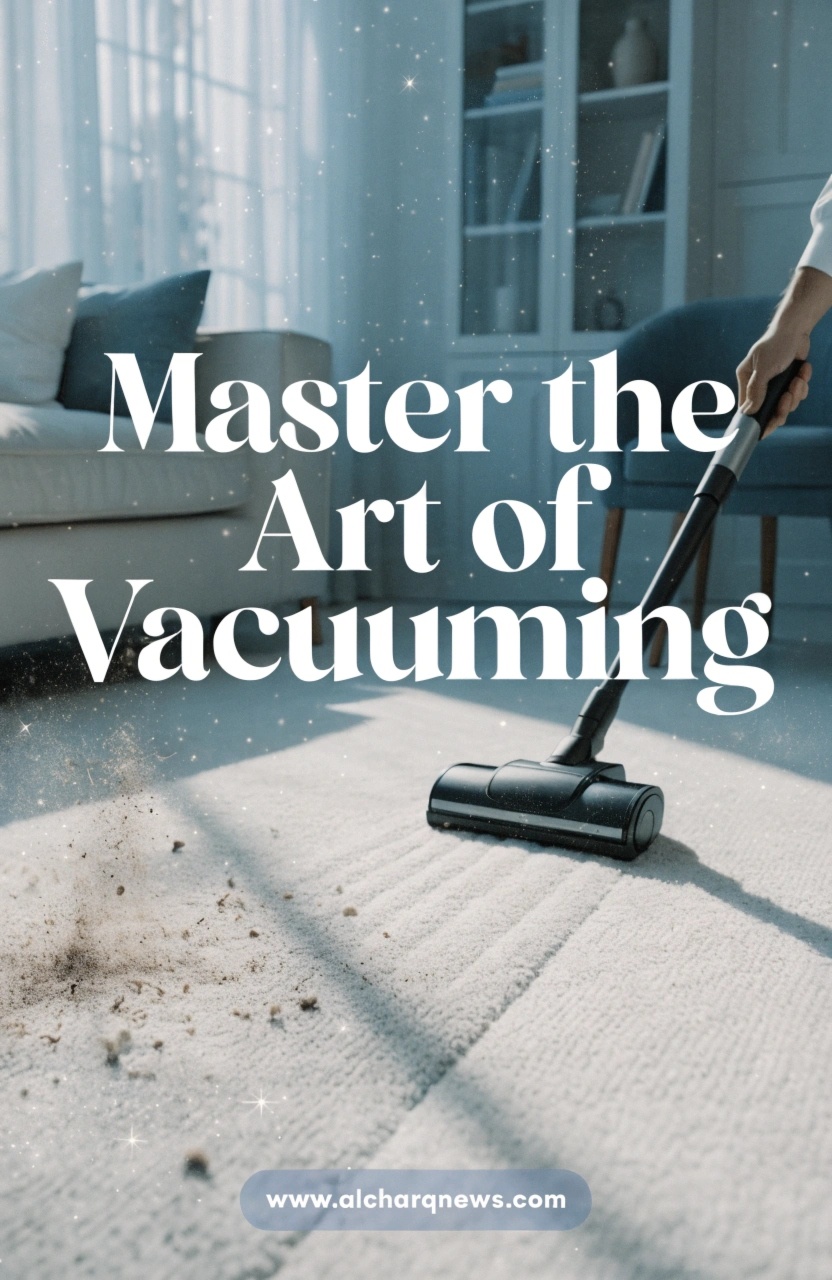
Master the Art of Vacuuming: 5 Cleaning Hacks You Can’t Ignore!
There’s a moment you probably recognize too well—you finish vacuuming the house, stand back thinking everything is spotless, and then the light hits just right. Suddenly you see it: fine dust still sitting along the edges, crumbs tucked into carpet fibers, and pet hair that somehow survived the entire cleaning session.
It’s not that your vacuum is weak. It’s that most people never learn how to use it properly.
When you master the art of vacuuming, the entire feeling of your home changes. Floors stay cleaner longer, air feels lighter, and you stop repeating the same cleaning work over and over again. The difference isn’t effort—it’s technique.
Let’s break down the simple but powerful methods that make vacuuming actually work the way it should.
Why Mastering Vacuuming Matters More Than You Think
Vacuuming is often treated like a quick chore, but in reality it directly affects the cleanliness of your entire home environment.
When done correctly, you:
- Reduce dust buildup that circulates in the air
- Limit allergens like pollen and pet dander
- Protect carpets from long-term wear
- Prevent dirt from embedding deep into fibers
Studies on indoor air quality show that carpets can trap a significant portion of household dust and allergens. If you don’t remove them properly, they keep getting kicked back into the air every time you walk.
That’s why technique matters just as much as frequency.
Before You Start: Set Up Your Vacuum for Better Results
Most cleaning problems come from using the vacuum incorrectly—not the machine itself.
Essential tools you should use
| Tool | Why it matters | Best use |
|---|---|---|
| HEPA filter | Captures fine dust particles | Allergy control |
| Crevice tool | Reaches tight areas | Corners and edges |
| Upholstery brush | Lifts fabric debris | Sofas and chairs |
| Motorized brush roll | Deep carpet cleaning | High-traffic floors |
A properly maintained vacuum performs noticeably better than one with clogged filters or full dust bins.
Hack #1: Vacuum Slowly to Lift Hidden Dirt
One of the biggest mistakes you can make is rushing.
When you move too quickly:
- The vacuum doesn’t have enough time to pull embedded dirt
- Fine dust gets left behind in carpet fibers
- You end up repeating the same area multiple times
Instead, slow down your movement deliberately.
How to do it right:
- Move the vacuum in steady, controlled lines
- Pause slightly in high-dirt areas
- Overlap each pass by a few inches
Think of it like giving the vacuum time to “work” instead of just passing over the surface.
Hack #2: Use the Cross-Hatch Pattern for Full Coverage
Vacuuming in random directions leaves hidden dirt behind. A structured pattern fixes that instantly.
The cross-hatch method ensures you clean from multiple angles.
Steps to follow:
- Vacuum the entire room in straight horizontal lines
- Repeat the process vertically
- Finish by focusing on edges and corners
This technique lifts dirt that lies flattened in carpet fibers and improves overall texture.
It also helps carpets look more even and refreshed afterward.
Hack #3: Use Baking Soda Before Vacuuming for Fresher Floors
If your carpets hold onto odors, this trick makes a noticeable difference.
Baking soda works as a natural deodorizer, absorbing trapped smells from pets, shoes, and everyday use.
How you apply it:
- Lightly sprinkle baking soda over carpet
- Let it sit for 10–20 minutes
- Vacuum thoroughly afterward
Why it works:
| Ingredient | Function | Result |
|---|---|---|
| Baking soda | Neutralizes odor molecules | Fresher-smelling carpets |
You’re not masking smells—you’re removing them at the source.
Hack #4: Divide Your Room Into Cleaning Zones
If you vacuum without structure, it’s easy to miss areas or double-clean others.
Breaking your room into sections makes the process more controlled.
Simple zoning method:
- Divide the room into 4 equal areas
- Clean one section completely before moving on
- Finish with edges and corners
This method helps you stay consistent and ensures nothing is overlooked.
It also makes larger rooms feel more manageable and less overwhelming.
Hack #5: Focus Extra Attention on High-Traffic Areas
Not all parts of your home get dirty at the same speed. Entryways, hallways, and living room paths collect far more debris than other areas.
Where you should always vacuum twice:
- Door entrances
- Sofa and seating paths
- Kitchen walkways
- Hallway intersections
Why it matters:
- Dirt gets compacted faster in these zones
- Foot traffic pushes debris deeper into fibers
- Regular vacuuming prevents long-term staining
A second pass in these areas dramatically improves overall cleanliness.
Advanced Vacuuming Techniques for a Cleaner Home
Once you’ve mastered the basics, small upgrades can take your results even further.
Edge cleaning technique
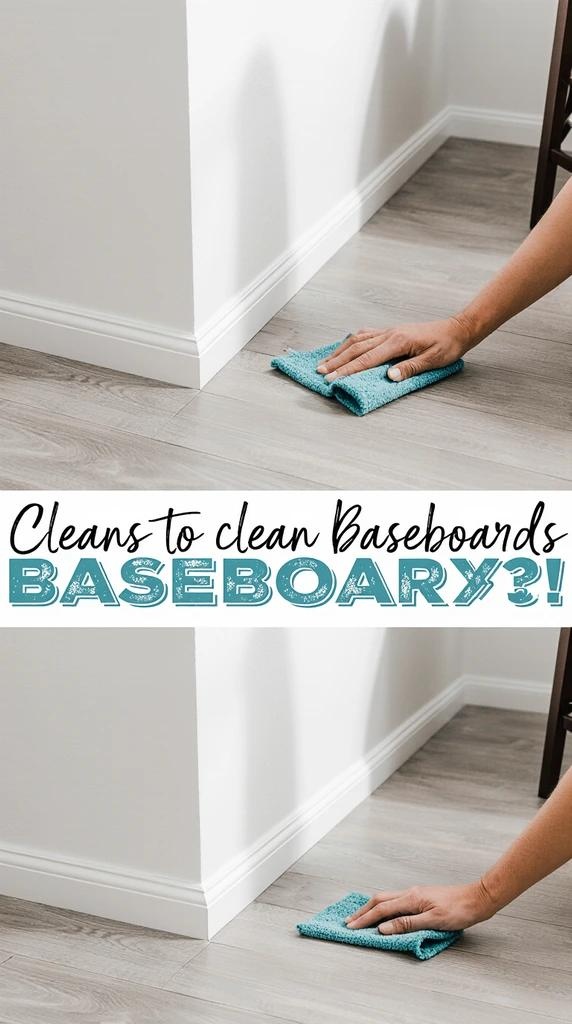
Use the crevice tool along baseboards and corners where dust collects unnoticed.
Upholstery refresh method
- Remove cushions
- Vacuum seams and folds slowly
- Use brush attachment for fabric lift
Pet hair strategy
- Vacuum against fabric grain
- Use rubber attachments for stubborn hair
- Repeat in overlapping strokes
These details are where most hidden dirt actually lives.
Common Vacuuming Mistakes You Should Avoid
Even with good intentions, small habits can reduce effectiveness.
Avoid these:
- Vacuuming too fast
- Ignoring filter cleaning
- Skipping furniture and corners
- Overfilling dust containers
- Using the same direction every time
Fixing these alone can noticeably improve cleaning results.
How Often Should You Vacuum?
Cleaning frequency depends on your household lifestyle.
- High traffic areas: 2–3 times per week
- Bedrooms: Once per week
- Pet households: Every 1–2 days
- Low-use rooms: Weekly or biweekly
Consistency matters more than intensity. Light, regular vacuuming prevents deep buildup.
Keeping Your Vacuum Working at Its Best
A powerful technique won’t help if your machine is clogged or neglected.
Maintenance checklist:
- Empty dust bin regularly
- Clean or replace filters
- Remove hair from brush roll
- Check suction power monthly
A well-maintained vacuum performs like a completely different machine.
FAQ: Master the Art of Vacuuming
What does it mean to master the art of vacuuming?
It means using proper technique, patterns, and maintenance habits to maximize cleaning efficiency and remove both visible and hidden dirt.
Why is slow vacuuming better than fast vacuuming?
Slower movement gives the vacuum more time to extract embedded dust and debris from carpets.
Does baking soda really improve vacuuming results?
Yes, it helps neutralize odors and refresh carpets before suctioning them out.
What is the most effective vacuuming pattern?
The cross-hatch pattern ensures full coverage from multiple angles, reducing missed spots.
Final Thoughts
Vacuuming doesn’t need to feel repetitive or ineffective. Once you apply the right methods, you stop chasing dust and start controlling it.
When you master the art of vacuuming, your home doesn’t just look cleaner—it stays cleaner longer, with less effort and fewer repeated chores.
Call-to-Action
Try just one of these hacks today—start with the slow vacuuming method or cross-hatch pattern. Then notice how different your floors feel afterward. If you want consistently cleaner results, turn these techniques into your weekly routine and upgrade the way you clean your home starting now.