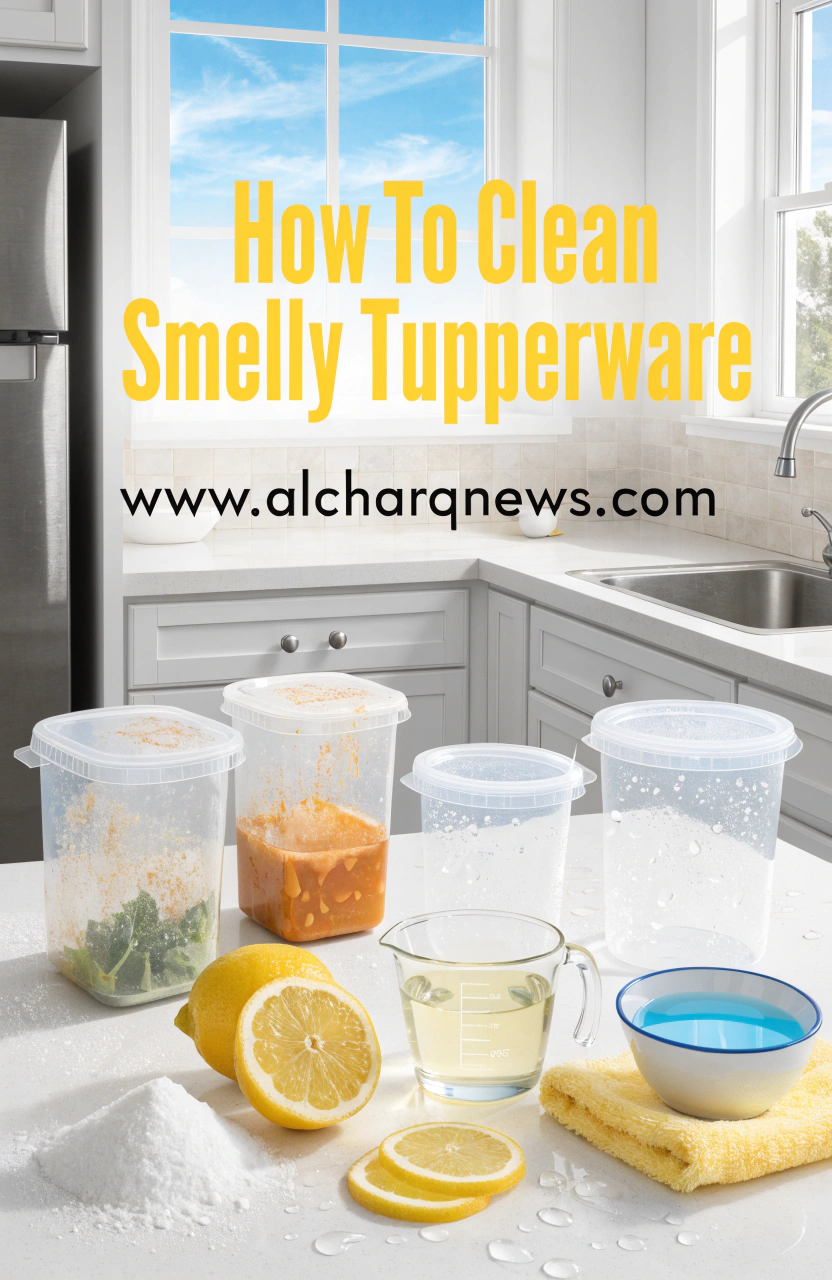
How To Clean Smelly Tupperware: Easy Ways to Remove Stubborn Food Odors for Good
Introduction: Don’t Throw Away That Smelly Container Yet
You open a plastic food container, expecting it to smell clean, only to be greeted by the lingering scent of last week’s garlic pasta, fish dinner, or spicy curry. No matter how many times you wash it, the odor seems determined to stay.
If you’ve ever considered tossing out a perfectly good container because of a stubborn smell, you’re not alone. Plastic food storage containers are incredibly convenient, but they have a tendency to absorb odors from strong-smelling foods. The good news is that those odors don’t have to be permanent.
Learning How To Clean Smelly Tupperware can save you money, reduce waste, and keep your kitchen smelling fresh. With a few simple ingredients you probably already have at home, you can eliminate unpleasant odors and restore your containers to their clean, fresh state.
Why Tupperware Develops Lingering Odors
Plastic food containers are designed to be durable and reusable, but they aren’t completely resistant to odor absorption.
The Science Behind Smelly Tupperware
Plastic surfaces contain tiny pores that can trap:
- Food oils
- Grease residue
- Strong-smelling spices
- Bacteria-causing particles
- Moisture from leftovers
Foods with high oil content often leave behind microscopic residue that regular dishwashing may not completely remove. Over time, these trapped particles create unpleasant smells.
Foods Most Likely to Cause Odors
Some foods are notorious for leaving lingering scents behind:
- Garlic
- Onions
- Tomato sauce
- Curry dishes
- Fish and seafood
- Chili peppers
- Strong cheeses
The longer these foods remain in a container, the stronger the odor becomes.
Supplies You’ll Need to Clean Smelly Tupperware
Before you begin, gather a few simple household ingredients.
Essential Odor-Fighting Ingredients
| Ingredient | Purpose |
|---|---|
| Baking Soda | Absorbs odors |
| White Vinegar | Neutralizes smells |
| Lemon Juice | Freshens surfaces |
| Dish Soap | Removes grease |
| Warm Water | Loosens residue |
| Coffee Grounds | Absorbs strong odors |
| Activated Charcoal | Deep odor removal |
Helpful Cleaning Tools
- Soft sponge
- Soft-bristle brush
- Microfiber cloth
- Spray bottle
- Dry towel
These affordable supplies can handle even the most stubborn container smells.
How To Clean Smelly Tupperware Step-by-Step
The key to removing odors is tackling both the smell and the residue causing it.
Step 1: Wash Thoroughly with Hot Soapy Water
Start with a deep cleaning.
- Fill your sink with warm water.
- Add a few drops of dish soap.
- Wash the container inside and out.
- Pay special attention to corners and lid seals.
- Rinse thoroughly.
This first step removes oils and food particles that contribute to odors.
Step 2: Try a Baking Soda Soak
Baking soda is one of the most effective natural deodorizing agents.
Baking Soda Odor Removal Solution
| Ingredient | Amount |
|---|---|
| Warm Water | 2 cups |
| Baking Soda | 2 tablespoons |
Instructions
- Mix baking soda with warm water.
- Fill the container completely.
- Let it soak overnight.
- Rinse and dry thoroughly.
Baking soda absorbs odor molecules rather than simply masking them.
Step 3: Use a Vinegar Treatment
White vinegar works exceptionally well for neutralizing stubborn food smells.
Vinegar Soak Recipe
| Ingredient | Amount |
|---|---|
| White Vinegar | 1 cup |
| Warm Water | 1 cup |
Instructions
- Pour the solution into the container.
- Let it sit for 30 minutes to several hours.
- Wash with dish soap afterward.
- Rinse thoroughly.
The vinegar smell disappears as it dries, taking food odors with it.
Step 4: Freshen with Lemon Juice
Lemons provide natural deodorizing power and leave a pleasant fresh scent.
Lemon Cleaning Method
- Cut a lemon in half.
- Rub it directly onto the interior surfaces.
- Allow the juice to sit for 20–30 minutes.
- Rinse and wash normally.
This method works especially well for mild odors and regular maintenance.
Advanced Methods for Extremely Smelly Tupperware
Sometimes basic cleaning isn’t enough. For particularly stubborn odors, try these methods.
Activated Charcoal Treatment
Activated charcoal is known for its powerful odor-absorbing abilities.
How to Use It
- Place a small charcoal pouch inside the container.
- Seal the lid.
- Leave overnight or for 24 hours.
This technique is highly effective for fish, garlic, and curry odors.
Coffee Ground Deodorizing Trick
Coffee grounds absorb unpleasant smells surprisingly well.
Instructions
- Place dry coffee grounds inside the container.
- Close the lid.
- Leave for 24 hours.
- Wash afterward.
Many homeowners use this method to remove strong food odors naturally.
Sunlight Deodorizing Method
Sunlight is one of the simplest and most overlooked odor removers.
Why It Works
- UV rays break down odor-causing compounds.
- Sunlight naturally disinfects surfaces.
- Fresh air helps eliminate trapped smells.
After washing, place containers outside in direct sunlight for several hours.
Common Mistakes When Cleaning Smelly Tupperware
Avoiding these errors can save you time and frustration.
Storing Containers While Damp
Moisture encourages:
- Mold growth
- Mildew smells
- Bacterial buildup
Always allow containers to dry completely before storing them.
Forgetting to Clean the Lid
Many odors linger inside:
- Rubber seals
- Lid grooves
- Hidden corners
Wash lids separately and inspect them carefully.
Using Harsh Abrasives
Scrubbing with rough pads can:
- Scratch plastic surfaces
- Create tiny grooves
- Trap future food particles
Use only soft cleaning tools.
How to Prevent Tupperware Odors in the Future
Prevention is easier than deep cleaning.
Smart Food Storage Habits
- Let food cool before storing.
- Avoid storing strong-smelling foods for extended periods.
- Transfer leftovers promptly.
Proper Drying Techniques
Allow containers to:
- Air dry completely
- Dry upside down
- Receive proper airflow
Trapped moisture often causes unpleasant odors.
Monthly Maintenance Routine
| Task | Frequency |
|---|---|
| Deep cleaning | Monthly |
| Baking soda soak | Every 2 months |
| Lid inspection | Monthly |
| Odor check | Weekly |
Regular maintenance keeps containers fresh year-round.
Natural vs Commercial Odor Removers
Many people wonder whether commercial cleaners outperform natural remedies.
| Method | Cost | Effectiveness | Eco-Friendly |
|---|---|---|---|
| Baking Soda | Low | High | Yes |
| Vinegar | Low | High | Yes |
| Lemon Juice | Low | Medium | Yes |
| Commercial Products | Medium | High | Varies |
For most situations, natural solutions work just as well without exposing your food containers to unnecessary chemicals.
FAQs About How To Clean Smelly Tupperware
How do you get strong smells out of plastic containers?
Baking soda, vinegar, lemon juice, activated charcoal, and sunlight are among the most effective methods.
Why does my Tupperware still smell after washing?
Food oils can penetrate plastic surfaces and remain trapped after normal washing.
Can baking soda permanently remove odors?
In many cases, yes. It neutralizes odor-causing compounds rather than covering them up.
Is vinegar safe to use on food containers?
Yes. White vinegar is food-safe and commonly used for kitchen cleaning.
What is the fastest way to clean smelly Tupperware?
A vinegar soak followed by sunlight exposure often produces quick results.
Conclusion: Give Your Containers a Fresh Start
Learning How To Clean Smelly Tupperware can extend the life of your food storage containers and keep your kitchen feeling cleaner and more organized. Whether you use baking soda, vinegar, lemon juice, coffee grounds, or sunlight, these simple methods can eliminate odors without expensive products.
The next time a container smells like yesterday’s leftovers, don’t throw it away. Try one of these proven techniques and restore it to a fresh, odor-free condition.
Call to Action
Have you discovered a favorite trick for removing stubborn odors from plastic containers? Share your experience and cleaning tips in the comments below. Your advice might help someone rescue their favorite food container and keep their kitchen smelling fresh.