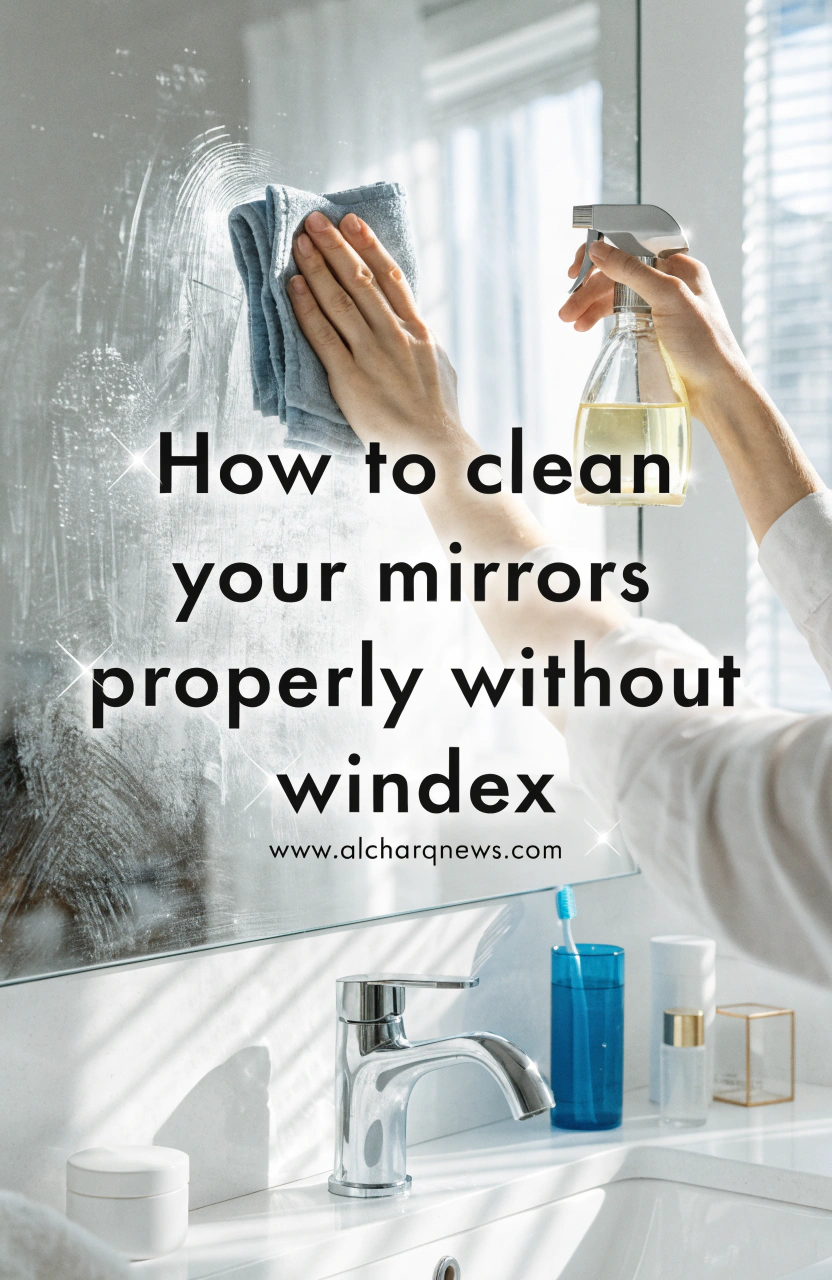
How to clean your mirrors properly without windex: The Complete Streak-Free Method
Introduction: When Your Mirror Never Looks Truly Clean
You clean your mirror, step back, and expect that satisfying sparkle—but instead, you see streaks, cloudy patches, and smudges that somehow look worse than before. It’s frustrating, especially when you feel like you’ve done everything right.
Most people instinctively reach for a glass cleaner like Windex, assuming it’s the only way to get a crystal-clear finish. But that’s not actually true. In many cases, those products leave behind residue that causes even more streaking over time.
The good news is that you don’t need harsh chemicals to fix the problem. With the right method, you can achieve a perfect, streak-free shine using simple household ingredients.
This guide on How to clean your mirrors properly without windex shows you step-by-step techniques, natural cleaning solutions, and professional tips that leave your mirrors spotless, clear, and long-lasting clean.
Why Your Mirrors Never Stay Clean for Long
Even after a deep clean, mirrors tend to get dirty quickly. Understanding why helps you clean them better.
Common Causes of Mirror Dirt and Streaks
- Toothpaste splashes in bathrooms
- Steam from showers
- Fingerprints from daily use
- Dust buildup in dry environments
- Hair spray and skincare residue
Why Store-Bought Glass Cleaners Can Make It Worse
- Leave invisible chemical residue
- Create streaking under bright light
- Require repeated wiping
- Not always effective on oily smudges
How Often You Should Clean Your Mirrors
Recommended Cleaning Schedule
| Mirror Location | Cleaning Frequency |
|---|---|
| Bathroom mirror | 2–3 times per week |
| Bedroom mirror | Once per week |
| Entryway mirrors | Every 1–2 weeks |
Regular maintenance prevents heavy buildup and makes cleaning much easier.
Best Natural Alternatives for Cleaning Mirrors Without Windex
You don’t need commercial sprays to get a perfect shine. In fact, natural solutions often work better.
Why DIY Cleaning Solutions Work
- No chemical residue
- Safer for skin and lungs
- Cost-effective
- Easy to prepare at home
Essential Ingredients for Mirror Cleaning
| Ingredient | Function |
|---|---|
| White vinegar | Cuts grease and removes streaks |
| Warm water | Base cleaning solution |
| Rubbing alcohol | Speeds drying and shine |
| Mild dish soap | Breaks down oils |
| Microfiber cloth | Prevents lint and streaks |
Best Homemade Mirror Cleaner Recipe
A simple and powerful solution:
- 1 part white vinegar
- 1 part warm water
- Optional: 1 teaspoon rubbing alcohol
This combination dissolves grime quickly and leaves no residue behind.
Step-by-Step Guide: How to Clean Your Mirrors Properly Without Windex
Follow these steps carefully for a perfect, streak-free result.
Step 1: Remove Dust First
Before applying any liquid:
- Use a dry microfiber cloth
- Gently wipe the entire surface
- Focus on corners and edges
This prevents dust from turning into muddy streaks later.
Step 2: Apply Cleaning Solution Lightly
- Spray lightly onto the mirror
- Avoid soaking the surface
- Focus on smudged or dirty areas
Too much liquid is one of the biggest causes of streaking.
Step 3: Wipe Using Proper Technique
Best Cleaning Methods
- Use a clean microfiber cloth
- Wipe in an “S” motion or circular pattern
- Apply gentle pressure only
Avoid paper towels—they leave lint and can create scratches over time.
Step 4: Buff for a Perfect Finish
- Use a dry microfiber cloth
- Lightly polish the surface
- Remove any remaining moisture
This final step is what gives your mirror that crystal-clear shine.
Professional Tricks for a Streak-Free Mirror
If you want results that look professionally done, these techniques help.
The Two-Cloth Method
- One damp cloth for cleaning
- One dry cloth for buffing
- Prevents moisture streaks
The Steam Trick (Bathroom Mirrors)
- Let hot shower steam loosen grime
- Wipe immediately after shower
- Ideal for stubborn bathroom buildup
Newspaper Buffing Method
- Use crumpled newspaper instead of cloth
- Absorbs moisture well
- Leaves a polished finish
Common Mistakes You Should Avoid
Even small errors can ruin your results.
Using Too Much Cleaner
- Causes streaking
- Leads to dripping marks
Cleaning in Direct Sunlight
- Solution dries too fast
- Leaves visible streaks behind
Using Dirty Cloths
- Spreads dirt instead of removing it
- Reduces cleaning effectiveness
Ignoring Edges and Corners
- Dust builds up around frame
- Spreads back onto glass
How to Keep Your Mirrors Cleaner for Longer
Cleaning is easier when you prevent buildup in the first place.
Daily Habits That Help
- Avoid touching the mirror surface
- Wipe off water splashes immediately
- Use bathroom ventilation fans
Weekly Maintenance Tips
- Quick microfiber wipe-down
- Light vinegar spray once a week
- Clean frames to prevent dust spread
Anti-Fog and Anti-Dust Hacks
- Apply a thin vinegar layer weekly
- Use shaving cream (anti-fog trick)
- Keep humidity under control
DIY Mirror Cleaning Recipes You Can Try
Vinegar-Based Cleaner
| Ingredient | Amount |
|---|---|
| White vinegar | 1 cup |
| Water | 1 cup |
| Rubbing alcohol | 1 tbsp |
Mix in a spray bottle and shake gently before use.
Gentle Soap Solution
- Warm water
- 1–2 drops mild dish soap
Perfect for decorative or framed mirrors.
FAQs: How to clean your mirrors properly without windex
Can I clean mirrors without glass cleaner?
Yes. Vinegar and water work just as effectively without leaving residue.
Why do mirrors streak after cleaning?
Usually due to too much liquid, dirty cloths, or using paper towels.
Is vinegar safe for all mirrors?
Yes, but avoid soaking wooden or decorative frames.
What is the best cloth for cleaning mirrors?
Microfiber cloths are best because they trap dirt and prevent streaks.
How often should mirrors be cleaned?
Bathroom mirrors: several times a week. Other mirrors: once weekly
Conclusion: A Cleaner Mirror Without Chemicals or Streaks
Learning How to clean your mirrors properly without windex gives you a safer, more affordable, and often more effective way to keep your mirrors spotless. With simple ingredients like vinegar, water, and microfiber cloths, you can eliminate streaks and achieve a flawless shine without relying on chemical cleaners.
The key is not expensive products—it’s the right technique and consistency.
Once you apply these methods, you’ll notice your mirrors stay clearer longer, with far less effort and far better results.