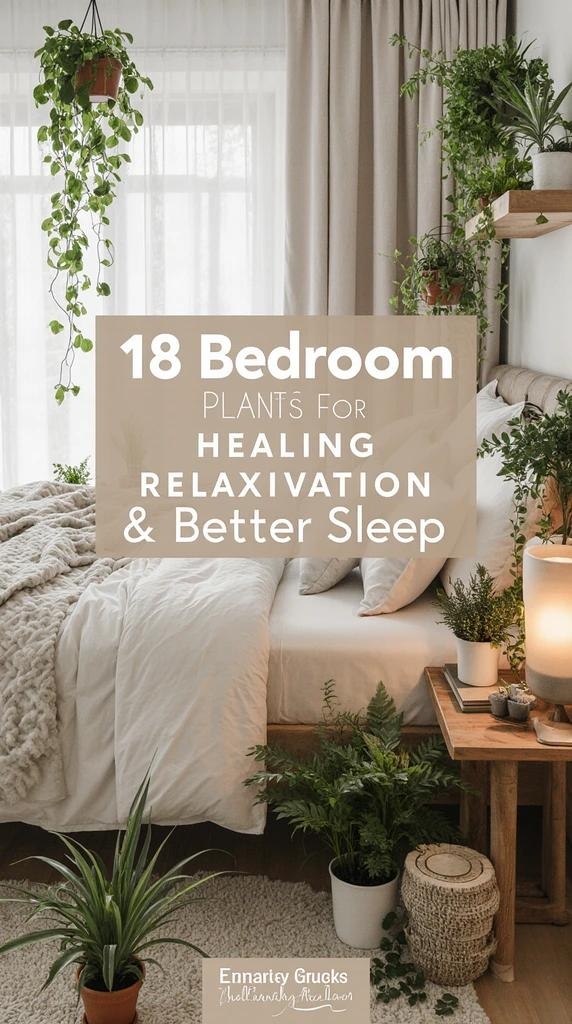
18 Bedroom Plants for Healing, Relaxation & Better Sleep: Transform Your Space Into a Natural Sanctuary
There are nights when your bedroom feels like it should be the most peaceful place in your home, yet your mind refuses to slow down. You lie there, surrounded by silence, but not necessarily by calm. Sleep feels close—but not quite reachable.
Now imagine a different version of that same room. Softer light, fresher air, and a quiet sense of life in the corners. Your breathing slows without effort. Your body relaxes naturally. You don’t force sleep—it arrives on its own.
That shift often starts with something surprisingly simple: plants.
The right greenery can turn your bedroom into a space that supports healing, emotional balance, and deeper rest. This guide to 18 bedroom plants for healing, relaxation & better sleep shows you exactly how to create that environment.
Why bedroom plants influence sleep and emotional wellbeing
Plants are not just decorative—they actively change the environment you sleep in.
How they help your body and mind
- Improve indoor air quality by filtering toxins
- Increase oxygen levels during rest
- Reduce stress through natural visual calm
- Support healthier humidity levels in the room
Research in environmental psychology shows that natural elements indoors can lower anxiety levels and improve overall mood, especially in spaces meant for rest.
1. Snake Plant (Sansevieria) – the night oxygen booster
This plant is one of the most powerful bedroom choices because it continues producing oxygen at night.
Why you’ll want it:
- Extremely low maintenance
- Helps improve air quality while you sleep
- Perfect for beginners
2. Lavender – natural sleep support in plant form
Lavender is widely known for its calming scent, often used in sleep therapies.
Benefits:
- Reduces anxiety levels
- Encourages deeper sleep cycles
- Creates a soothing bedroom aroma
3. Aloe Vera – healing and air purification
Aloe Vera doesn’t just support skin healing—it also improves indoor air.
Key advantages:
- Releases oxygen at night
- Filters harmful toxins
- Very easy to maintain
4. Peace Lily – elegance with air-cleaning power
This plant is both beautiful and functional.
What it does:
- Removes indoor pollutants
- Balances humidity levels
- Adds calm visual energy
5. Jasmine – natural stress reliever
Jasmine’s scent has been linked to improved sleep quality in multiple studies.
Effects:
- Reduces stress and restlessness
- Promotes calm breathing
- Enhances sleep quality naturally
6. English Ivy – quiet air purifier
English Ivy is known for improving indoor air conditions.
Benefits:
- Reduces airborne mold particles
- Supports respiratory health
- Works well in humid environments
7. Spider Plant – simple but powerful
This plant is perfect if you want something easy yet effective.
Why it’s useful:
- Filters carbon monoxide
- Very low maintenance
- Safe for pets
8. Areca Palm – natural humidity balance
If your bedroom air feels dry, this plant helps restore balance.
Key benefits:
- Acts as a natural humidifier
- Soft tropical aesthetic
- Improves air quality
9. Bamboo Palm – indoor toxin filter
A strong choice for larger bedrooms.
Advantages:
- Removes indoor pollutants
- Adds lush greenery
- Improves air freshness
10. Gardenia – calming fragrance plant
Gardenia is often used for relaxation support.
Benefits:
- Strong soothing scent
- May reduce anxiety
- Elegant bedroom presence
11. Chamomile – gentle sleep enhancer
Chamomile is known for its calming effects.
Why it helps:
- Supports relaxation before bed
- Can be used for herbal tea
- Mild floral scent
12. Valerian – traditional sleep herb
Valerian has been used for centuries to support rest.
Effects:
- Helps reduce insomnia symptoms
- Encourages relaxation
- Natural herbal sleep aid
13. Boston Fern – humidity and freshness
A soft, leafy plant that improves indoor air conditions.
Benefits:
- Boosts humidity naturally
- Supports respiratory comfort
- Gentle, calming appearance
14. Rubber Plant – strong air purifier
This plant is both bold and functional.
Key features:
- Removes toxins from air
- Easy indoor maintenance
- Adds structure to room design
15. Pothos – effortless greenery
One of the easiest plants to maintain indoors.
Why it’s popular:
- Grows in low light
- Filters indoor air
- Very forgiving for beginners
16. Lavender Sage – emotional balance plant
A calming combination plant known for wellness use.
Benefits:
- Supports emotional stability
- Gentle aromatic properties
- Used in natural healing practices
17. Philodendron – low-maintenance air purifier
A reliable indoor plant for beginners.
Advantages:
- Filters indoor toxins
- Grows easily in indirect light
- Requires minimal care
18. Orchid – elegance and calm energy
Orchids bring both beauty and tranquility into your bedroom.
What they offer:
- Elegant visual presence
- Helps improve air quality
- Symbol of balance and calm
DIY natural plant mist for healthier bedroom plants
Ingredients table for plant care spray
| Ingredient | Purpose |
|---|---|
| Distilled water | Safe hydration base |
| Aloe vera juice | Natural soothing support |
| Essential oils | Relaxing fragrance boost |
How to choose the right bedroom plants for your needs
Not every plant fits every space or lifestyle.
Consider these factors:
Light conditions:
- Low light: snake plant, pothos
- Bright light: lavender, jasmine
Maintenance level:
- Easy care: spider plant, aloe vera
- Moderate care: peace lily, gardenia
Room size:
- Small rooms: compact plants like chamomile
- Large rooms: palms and rubber plants
Benefits of bedroom plants for sleep and healing
Physical benefits:
- Cleaner indoor air
- Better humidity balance
- Reduced toxins in the environment
Emotional benefits:
- Lower stress levels
- Improved relaxation before sleep
- More peaceful atmosphere
Common mistakes to avoid with bedroom plants
- Overwatering plants
- Placing too many in small spaces
- Choosing plants that require high sunlight
- Ignoring maintenance needs
Tips to maximize plant benefits in your bedroom
Smart placement:
- Near windows for light-loving plants
- Bedside tables for calming scents
- Corners for large air-purifying plants
Maintenance habits:
- Clean leaves weekly
- Rotate plants for balanced growth
- Water based on actual plant needs, not routine
FAQ: 18 Bedroom Plants for Healing, Relaxation & Better Sleep
Which plant is best for sleep improvement?
Snake plant and lavender are among the best for improving sleep quality naturally.
Are bedroom plants safe to keep at night?
Yes, many plants improve air quality and are safe for overnight use.
How many plants should be in a bedroom?
Usually 2–5 plants are ideal depending on room size.
Do plants really reduce stress?
Yes, studies show indoor greenery can significantly reduce stress and improve mood.
Final thoughts
Choosing the right 18 bedroom plants for healing, relaxation & better sleep is less about decoration and more about creating a space that supports your well-being. When your bedroom feels calmer, your sleep naturally improves, and your mind begins to unwind more easily.
Small changes in your environment can lead to noticeable changes in how you feel every day.
Call to action
Start tonight by adding just one calming plant from this list to your bedroom. Observe how the space feels over the next few days—you may notice deeper relaxation, better sleep, and a quieter mind without changing anything else.