Physical Address
304 North Cardinal St.
Dorchester Center, MA 02124
Physical Address
304 North Cardinal St.
Dorchester Center, MA 02124

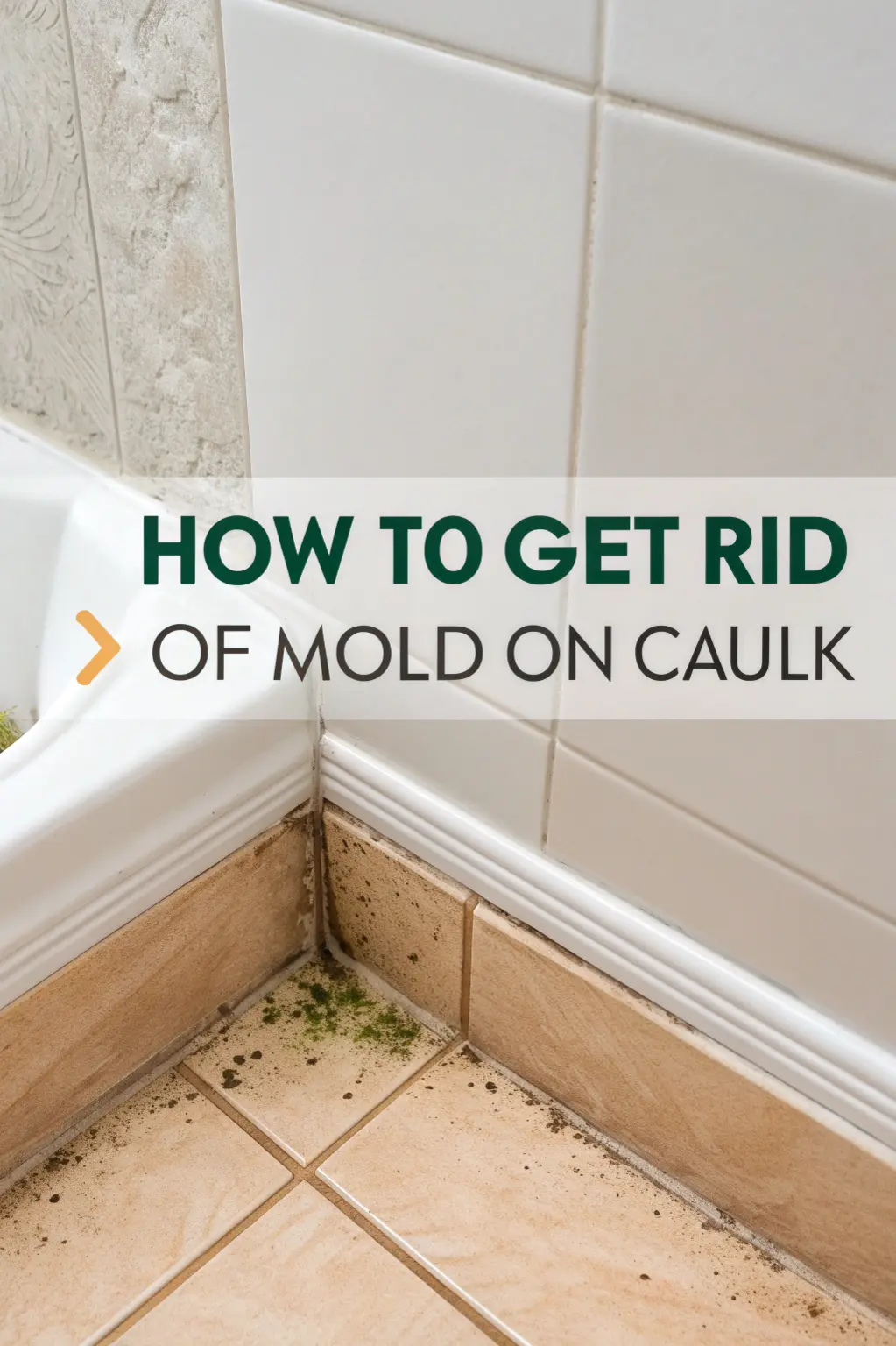
You step into your bathroom, ready to unwind after a long day, but your eyes fall on something unpleasant — dark, spotty streaks creeping along the edges of your tub or sink. That unsightly black film isn’t just grime; it’s mold on caulk, one of the most common and stubborn cleaning challenges homeowners face.
Beyond the cosmetic issue, mold can affect your health, triggering allergies, irritation, and even breathing problems. The good news? You don’t have to live with it. With the right approach and a few simple tools, you can restore your bathroom’s shine — and keep mold away for good.
In this guide, you’ll learn how to get rid of mold on caulk using natural solutions and proven cleaning methods that protect both your home and your health.
Mold thrives wherever moisture lingers, and bathroom caulk is the perfect breeding ground.
Here are the most frequent culprits:
Even if the mold looks harmless, it can cause hidden damage. Mold releases spores that spread through the air, affecting nearby walls, grout, and tiles. Inhaling those spores can worsen allergies, asthma, or respiratory issues. And once mold gets behind the caulk, cleaning alone won’t fix it — replacement becomes necessary.
You don’t need to hire a professional right away. With the proper technique, you can tackle mold yourself and get lasting results. Here’s a complete, step-by-step method.
Start by collecting everything you’ll need. Having your tools ready saves time and keeps you organized.
| Ingredients / Tools | Purpose |
|---|---|
| White vinegar | Natural mold killer |
| Baking soda | Gentle abrasive and deodorizer |
| Hydrogen peroxide | Disinfects and brightens |
| Bleach (optional) | Removes deep black mold |
| Soft brush or old toothbrush | For scrubbing caulk lines |
| Rubber gloves & mask | Protection from mold spores |
If you’re dealing with tougher stains, sprinkle baking soda on top of the vinegar before it dries. The fizzing reaction helps loosen buildup and lifts mold from the surface.
After soaking, use a soft brush or toothbrush to scrub the caulk gently. Focus on moldy spots and edges. For thicker mold, create a paste of baking soda and water, apply it to the area, and scrub in circular motions. Rinse with warm water once you’re done.
Next, spray hydrogen peroxide (3%) on the caulk to disinfect and whiten. Let it rest for about 10 minutes, then rinse with warm water and wipe dry using a clean towel or paper cloth.
Sometimes, mold penetrates deep beneath the caulk. If stains return soon after cleaning, it’s time to replace it:
There’s always a debate: should you go the natural route or use chemical products for faster results? Here’s how they compare.
If you prefer gentle, eco-friendly methods, try these:
If mold has spread or turned black, you may need a stronger cleaner. Use with care.
| Product Type | Example | Usage Tips |
|---|---|---|
| Bleach-based cleaner | Clorox Mold & Mildew Remover | Use sparingly and ventilate the room |
| Hydrogen peroxide (3%) | Pharmacy brands | Safe and effective for small areas |
| Commercial mold sprays | Tilex, Mold Armor | Follow label directions and rinse thoroughly |
Safety Tip: Always wear gloves and ensure the room is well-ventilated. Never mix bleach and vinegar — the combination creates toxic fumes.
Cleaning mold is half the battle — keeping it away is where you win.
A weekly preventive spray can stop mold before it starts. Mix these ingredients in a spray bottle:
| Ingredients | Directions |
|---|---|
| 1 cup water | Mix and shake well before each use |
| 1 cup white vinegar | Spray after every shower or cleaning |
| 10 drops tea tree oil | Natural antifungal protection |
Spray along the caulk lines once a week and let it air dry. This simple habit can extend the life of your caulk and keep your bathroom smelling fresh.
Sometimes, DIY cleaning isn’t enough. If mold keeps coming back or spreads beyond visible areas, professional help is the best option.
Professionals use tools like moisture meters and HEPA vacuums to identify and eliminate mold at the source — something household products can’t do.
If the mold appears black, thick, and keeps reappearing, it may be a more toxic variety, such as Stachybotrys chartarum (black mold). Always wear gloves and a mask, and consider testing or hiring a pro if it persists.
Yes, but bleach should be used sparingly and never mixed with other cleaners. For a safer alternative, vinegar and hydrogen peroxide offer great results without strong fumes.
Plan to replace your caulk every 1–2 years, especially in high-humidity areas. Regular inspection helps you catch mold early before it spreads.
For most homes, a combination of white vinegar, baking soda, and hydrogen peroxide delivers excellent results without harsh chemicals.
If mold returns quickly, it usually means moisture is trapped beneath the caulk or the surface wasn’t completely dried before re-caulking. Improving ventilation and using mold-resistant products will help.
Dealing with mold on caulk might seem like a small nuisance, but left untreated, it can damage your bathroom and compromise your indoor air quality. The key is quick action — remove it as soon as you see it, disinfect thoroughly, and make prevention part of your cleaning routine.
Natural cleaners like vinegar, baking soda, and tea tree oil not only save money but also protect your health and the environment. By keeping your bathroom dry, sealing cracks, and maintaining good airflow, you can say goodbye to mold for good.
So, take a look around your bathroom today. If you spot even the faintest mold stain, you now know exactly what to do — and how to keep your home sparkling clean.
Ready to restore your bathroom’s glow? Grab your cleaning supplies, mix your natural solution, and start fresh. A mold-free home isn’t just cleaner — it’s healthier.
